

The Most Devastating Thing in Spider-Man: Brand New Day Is a Sister the X-Men Movies Ignored for 60 Years.
By Jimigrimm
Full spoilers for Spider-Man: Brand New Day ahead. If you haven’t seen it, come back after. This one’s worth experiencing cold.
The rumors were true: Sadie Sink is Jean Grey. The MCU’s X-Men era doesn’t start at a school or in a team movie. It starts in a Spider-Man film, with a teenage girl the whole city thinks is a villain.
But the reveal isn’t the story. The story is who Jean is doing all of it for, and if you only know the movies, you’ve never met her. Her name is Sara Grey. She’s been in the comics since 1966. Seven Fox films put Jean Grey on screen, including two full tellings of the Dark Phoenix Saga, and not one of them ever put Sara in the frame. Marvel finally did, and then built the most gutting story in the movie on top of her.
The Girl Everyone Thinks Is the Villain
For most of Brand New Day, Jean is the threat. A mystery telepath possessing ordinary New Yorkers, hopping mind to mind to attack Department of Damage Control facilities, taking over the Scorpion, and finally seizing Bruce Banner himself, ripping out his inhibitor and aiming the Hulk at a government skyscraper like a wrecking ball. Peter teams up with the police and Damage Control’s director, Bill Metzger, to stop her, because from where he stands, an uncontrollable psychic attacking federal buildings is exactly what a villain looks like.
Then the third act turns the light around. Jean gets captured, and Peter learns Metzger has been lying the entire time. Damage Control, the agency founded after the Battle of New York to clean up after heroes, has gone rogue under Metzger, building anti-metahuman weapons and taking people. The Vulture’s rant from Homecoming about the suits who swooped in and took everything turns out to have been the warning label. And Jean was never attacking Damage Control. She was searching it. For her sister.
Jean and Sara
The movie gives the Grey sisters a history that hurts more the longer you sit with it. When their powers manifested, their mother didn’t get them help. She abandoned them. Two telepathic kids, alone, surviving foster homes and streets, with nobody in the world but each other. Sara, the older one, raised Jean. She’s the one who taught her how their power works, how to slip past its short radius by hopping from one mind to the next, a trick the whole movie is built on. She wasn’t just Jean’s sister. She was her whole family, her teacher, and her protector.
Then one ordinary day in a park, while the two of them practiced, Damage Control came for them. Sara used her powers to get her little sister to safety. It cost Sara her own escape. That’s the last time Jean saw her, and everything Jean does in this movie, every possession, every attack the city reads as villainy, is one kid trying to get her sister back from the government that took her.
She’s too late. Metzger wanted to map Sara’s brain and replicate her abilities, a machine to hand psychic power to anyone. The experiments killed her. And the movie twists the knife with one detail I haven’t stopped thinking about: Jean ends up imprisoned in the same cell, strapped to the same table, and finally understands the last psychic message her sister ever sent her, “V-Max.” It wasn’t code. It wasn’t a plan. It’s the brand name on the ceiling vent, letters half faded, the last thing Sara saw before she died. Jean spends the whole movie chasing her sister’s final words, and they turn out to be the view from the table they killed her on.
The Choice That Makes Her Jean Grey
What happens next is the reason casting this character in a Spider-Man movie was smarter than anyone guessed. Jean’s grief detonates her powers. Her range explodes from a few dozen feet to entire city blocks in every direction, and she freezes everything inside it, every mind hers, with Metzger’s life in her hands. The only person who can push through is Peter. And Peter doesn’t beat her. He opens his own mind and lets her walk through it, through Aunt May, through what losing the person who raised you does to a person, and tells her the thing nobody has said to her since the park: she’s not alone anymore. Grief meets grief. She lets go. And then the movie answers its own question in the cruelest way it can: the Punisher, a rooftop away with Jean in his scope the whole time, takes the shot. Peter catches the bullet meant for her with his own body. That’s what puts him at death’s door for the film’s final stretch, the price of choosing the open hand while the world was already choosing the rifle.
Get the history behind the stories.
One email a week. Read it before it hits the feeds.
That’s a Jean Grey story. Not the costume, not the codename, the exact question every Dark Phoenix telling fumbles: what do you do with limitless power attached to unbearable pain, and does the world meet it with a hand or a sniper rifle? Brand New Day’s answer is that the world sends both at once, and Spider-Man is the one who stands between them. The MCU’s first swing at the question isn’t in an X-Men movie, and it might already be the best version on film.
Sixty Years in the Margins
Here’s the comics history that makes Sara’s role hit different for longtime readers: she’s not an invention. Jean mentions “a sister in Albany” all the way back in X-Men #22, in 1966. Chris Claremont gave her the name Sara during the Dark Phoenix Saga itself, in the famous stretch of Uncanny X-Men where a Phoenix-possessed Jean, in a moment of clarity, goes home. Sara is standing there, learning for the first time that her sister is a mutant. She existed at the emotional center of the most adapted X-Men story ever, and every adaptation cut her. Fox made two Dark Phoenix movies and never once gave Jean a sister.
And one honest note for the longtime readers, because the film changed her: in the comics, Sara was never a telepath. Her powers, if she had any, stayed latent, and she spent her page time as an ordinary woman standing next to an extraordinary sister. The movie’s Sara, the stronger telepath, the one who taught Jean how their power works, is the film’s own invention. What the comics version proves is that you never needed to give Sara powers for her to matter. The movie just decided the sister deserved some of her own.
So Marvel’s version of events is quietly a statement: the first new mutant of the MCU era gets her foundation built on the character the movies always deemed skippable. And the comics just spent decades proving how much story was sitting there, Sara’s later history is long, strange, and tragic in its own right, right up through a 2025 Phoenix issue that finally gave her cosmic significance. The movies ignored her for sixty years. The MCU made her the reason its Jean Grey exists.
What It Sets Up
Jean vanishes before Peter wakes, after spending his coma quietly keeping him alive with her powers, a thank-you for the bullet he took for her, which tells you everything about where this character actually lands on the hero-villain line. Sink is reported to be returning down the road, Kevin Feige has said the X-Men film is youth-focused, and the MCU now has its first young mutant on the board: powerful, grieving, distrustful of every institution, and carrying exactly one positive memory of a hero, the one who opened his mind instead of raising a weapon.
The X-Men era of the MCU didn’t start with a mansion or a jet. It started with two homeless sisters in a park, and a government van.
So here’s what we want from you, and spoiler talk is fair game below. Did the Jean misdirect work on you, or did you clock her early? Where does the V-Max reveal rank among the MCU’s most brutal moments, because we’d put it near the top. And for the comics readers: what other characters have the movies been skipping for decades that deserve the Sara Grey treatment, finally getting their moment as the emotional center instead of a footnote? Drop it in the comments. The MCU’s mutant era just started in the saddest possible place, and we mean that as the highest compliment.
MORE LIKE THIS
-
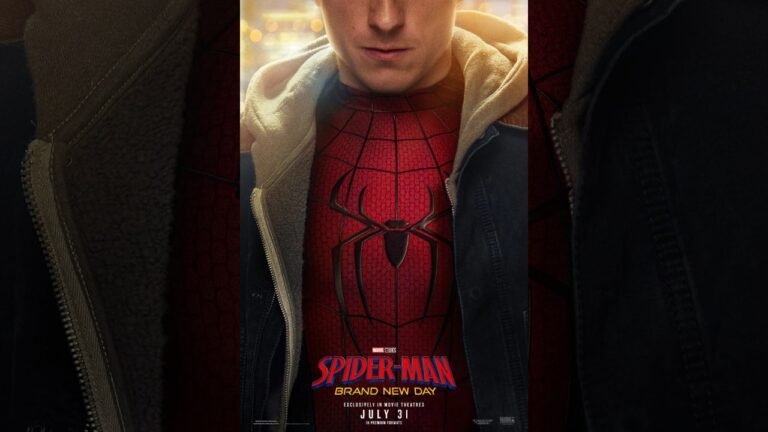
Spider-Man: Brand New Day Is Named After the Most Hated Story in Spider-Man Comics. Twenty Years Later, the Movies Just Redeemed the Name.
6 MIN READ -
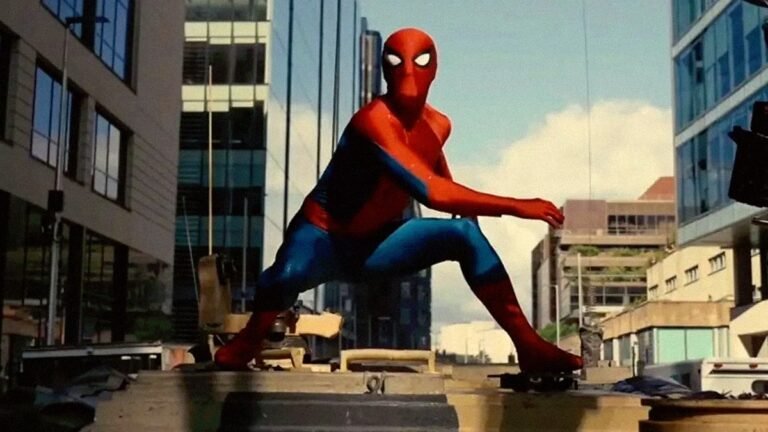
What Comics to Read Before Spider-Man: Brand New Day (2026)
6 MIN READ -

The Spider-Man: Brand New Day Trailer Is Hiding a Bigger Story Than You Think. Here’s the Comics That Prove It.
14 MIN READ

Co-founder and co-host. Veteran. Grew up on cartoons. The MCU brought all of it back and pulled him into the comics side he never picked up as a kid. Curious by default. Passionate without needing to prove anything. Good at holding a conversation.