
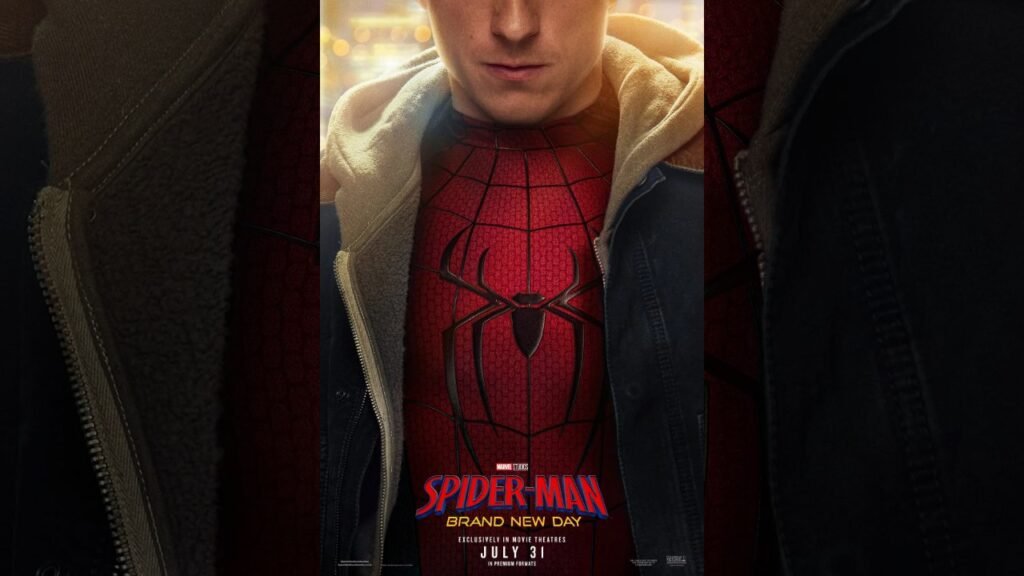
Spider-Man: Brand New Day Is Named After the Most Hated Story in Spider-Man Comics. Twenty Years Later, the Movies Just Redeemed the Name.
By Jimigrimm
Spider-Man: Brand New Day pulled a record $72 million in previews, taking a mark Avengers: Endgame had held since 2019, and the reviews are calling it one of the best Spider-Man films ever made.
Here’s what most of the audience filing into those theaters has no idea about: the title on the poster is borrowed from the most hated era in Spider-Man comics history. Not disliked. Not controversial. Hated, for almost twenty years, with a fury the people making it saw coming, over a story where Peter Parker makes a deal with the literal devil.
If you only know the movies, you’re missing the whole weight of what that name means, and the quiet, kind of brilliant thing the MCU just did with it. So here’s the real story of Brand New Day: the deal, the revolt, and the redemption.
The Deal With the Devil
In 2007, Marvel published One More Day, a four-part story crossing through the Spider-Man titles. The setup: in the fallout of Civil War, Peter had publicly unmasked, and a sniper’s bullet meant for him found Aunt May instead. She’s dying. Peter, out of options, exhausts science, magic, and every favor he’s owed, until something finds him: Mephisto. Marvel’s devil.
Mephisto’s offer is the most infamous trade in comics. He’ll save May’s life and erase the world’s knowledge of Peter’s identity. The price isn’t Peter’s soul. Mephisto doesn’t want his soul. He wants the marriage, the twenty years of Peter Parker and Mary Jane Watson as husband and wife, erased from history like it never happened. Not a divorce. Deleted. And Peter and MJ say yes.
Peter wakes up in a rewritten world. May is alive, Harry Osborn is somehow back, nobody knows Spider-Man’s face, and he was never married. That’s where the comics’ Brand New Day begins: a relaunched Amazing Spider-Man shipping three times a month, a single Peter, a new supporting cast, new villains like Mister Negative, and an era named for a fresh start that fans experienced as a theft.
Why the Fans Revolted
The revolt wasn’t really about one story. It was about what the story revealed.
Then-editor-in-chief Joe Quesada said openly that from the moment he took the job, he believed the marriage had to go, that a married Spider-Man was a broken Spider-Man, too old, too settled, not relatable to new readers. The wedding was 1987; by 2007 it was two decades of history, and the publisher’s fix for it was a deal with the devil, chosen because the alternatives read worse to Marvel: kill MJ and Peter becomes a widower, which Quesada said just makes him seem that much older; divorce him and the fresh start comes carrying divorce. Erasure was the brand-safe option.
The writer whose name is on the story fought it, and that’s not a figure of speech. J. Michael Straczynski, one of the most celebrated Spider-Man writers of his era, publicly said there was a lot in the story he didn’t agree with, that he’d made it “very clear to everybody within shouting distance at Marvel, especially Joe,” and he asked to take his name off the final two issues. Quesada talked him out of it. Straczynski’s original version of the story was rejected. Quesada himself drew the book and co-wrote the crucial ending. Even the writers hired for the aftermath knew what was coming: in an oral history of the era, Marc Guggenheim describes the room after Quesada pitched the plan, all of them looking at each other thinking, what did we get ourselves into? They knew the fans would hate it before a single page shipped.
Get the history behind the stories.
One email a week. Read it before it hits the feeds.
And the fans did. To this day, ask a comics reader for the worst Spider-Man story ever and One More Day is the reflex answer. The complaint was never just the marriage. It was that Peter Parker, the character whose entire identity is responsibility and consequence, dodged both by shaking hands with the devil, because an editor decided his life had gotten too grown-up.
Here’s the honest nuance the angry version of this history skips: the Brand New Day era that followed the deal produced genuinely good comics. The rotating writers’ room turned out fan-favorite runs and new characters that stuck. The era was better than the deal that bought it. But the name never washed clean. Brand New Day meant the thing they took, not the stories that followed.
How the Movies Ran the Same Play and Fixed It
Now look at what the MCU did, because this is the part that deserves more credit than it gets.
Spider-Man: No Way Home is One More Day, adapted. The same ending: the world forgets Peter Parker, his loved ones lose him, and he starts over alone. The parallel has been part of the public record from the start. But every piece that made fans hate the comic got inverted. There’s no devil; there’s a spell Peter asks Doctor Strange to complete. The sacrifice isn’t made to dodge a consequence; it’s made to absorb one, sealing the multiverse and saving everyone else. And the person who pays the full price is Peter himself, alone in a world that forgot him. The comics version traded away his marriage to escape responsibility. The movie version gave up everything he loved as the ultimate act of it. Same result, opposite soul. Fans have spent four years pointing this out: the MCU took the most hated story in Spider-Man and did it right.
And now Brand New Day completes the adaptation, four years later, same as the comics’ time jump was a fresh start. Peter alone in New York, unknown, rebuilding, street-level, a new supporting cast, new threats. It’s the comics era’s blueprint, minus the devil, and the audience response has flipped the name’s meaning: record previews, some of the best reviews the character has ever had. Twenty years after Brand New Day became a curse word in comment sections, Marvel and Sony put it on a movie fans are calling one of Spider-Man’s best. The most poisoned title in Spider-Man history just became the redeemed one, and most of the audience never knew it needed redeeming.
The Debt That's Still Open
One thread keeps this from being a closed story, and if you’ve seen the movie, you know it: Ned’s hands remember. The secret handshake, beat for beat, and a cry of “Peter!” as the credits roll. The movie never says the spell broke, and the coverage is split on what that moment means, but it’s the strongest sign yet that the spell cracked. Which means the movies now face the exact question the comics have dodged for two decades, does Peter ever get his life back, and what does it cost this time? MJ still doesn’t remember, and the movie twists it crueler than that: through the letter and the unmasking, she now knows what she lost without remembering any of it. The comics never paid that debt; nearly twenty years later, Peter and MJ still aren’t married on the page, and just weeks ago Quesada said he’d like to write a One More Day follow-up someday, while confirming the marriage isn’t coming back. The comics made their choice permanent. The movies just showed us the first crack in theirs, right before two Avengers films that are openly about broken timelines and what people lost to them.
The comics erased the marriage to keep Peter young forever. The movies erased Peter to let him grow up. Where that difference lands, whether the MCU pays back what the spell took or leaves Peter with the bill the way the comics left him, might be the most interesting open question in this whole franchise.
So here’s where you come in, and for this one, the split matters: if you’re a comics reader, where do you stand on One More Day almost twenty years later, still unforgivable, or has the era it bought earned a pardon? If you came in through the movies, now that you know what the title means, does it change how the ending of No Way Home and this movie sit with you? And the question both sides have to answer: should MJ remember, even knowing what it might cost? Drop it in the comments. Some deals take twenty years to come due.
MORE LIKE THIS
-

The Most Devastating Thing in Spider-Man: Brand New Day Is a Sister the X-Men Movies Ignored for 60 Years.
6 MIN READ -
The Spider-Man: Brand New Day Trailer Is Hiding a Bigger Story Than You Think. Here’s the Comics That Prove It.
14 MIN READ -
What Comics to Read Before Spider-Man: Brand New Day (2026)
6 MIN READ
Co-founder and co-host. Veteran. Grew up on cartoons. The MCU brought all of it back and pulled him into the comics side he never picked up as a kid. Curious by default. Passionate without needing to prove anything. Good at holding a conversation.