
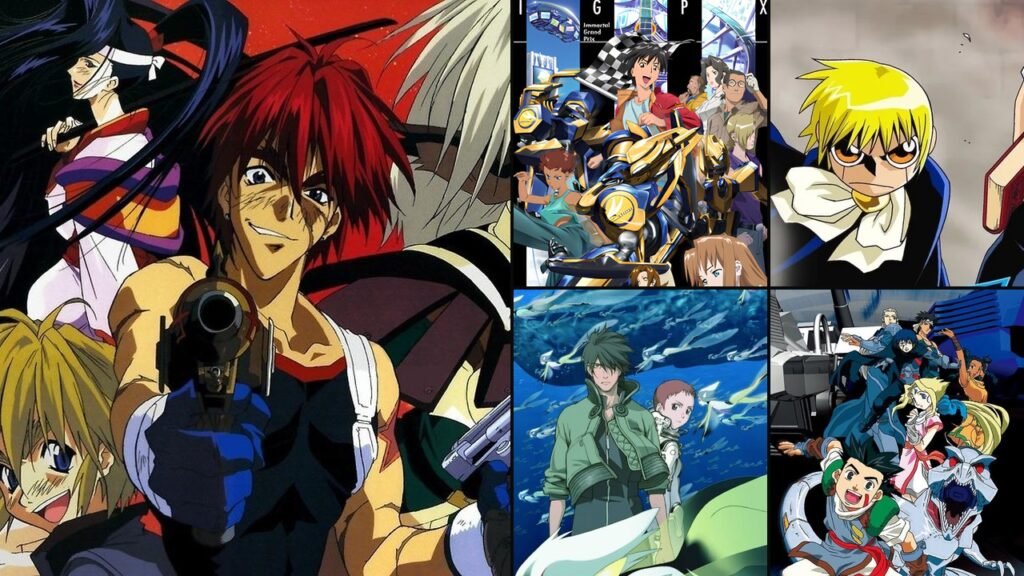
5 Underrated Anime That Aired on Toonami and Deserved More Recognition
By Fergs
Dragon Ball Z, Naruto, and Gundam helped define Toonami for an entire generation. But some of the programming block’s most interesting anime never received the same recognition. These five series remind us why Toonami was about more than its biggest franchises.
If you grew up watching Toonami, you probably remember rushing home from school to catch the next episode of Dragon Ball Z, Gundam Wing, or Yu Yu Hakusho.
For many anime fans, Toonami was more than an afternoon television block. It was our introduction to Japanese animation, bringing stories into our homes that we might never have discovered otherwise.
But not every anime that aired on Toonami became a household name.
Some developed dedicated audiences before gradually disappearing from mainstream conversations. Others experimented with storytelling, animation, and genres that didn’t always fit alongside the block’s biggest franchises.
That doesn’t mean these shows were unsuccessful or lacked passionate fans. Some simply never maintained the same level of recognition.
Looking back at Toonami’s history, five series deserve another conversation—not necessarily because they’ve been forgotten, but because they represent some of the most interesting programming the block had to offer.
5. IGPX: Immortal Grand Prix (2005)
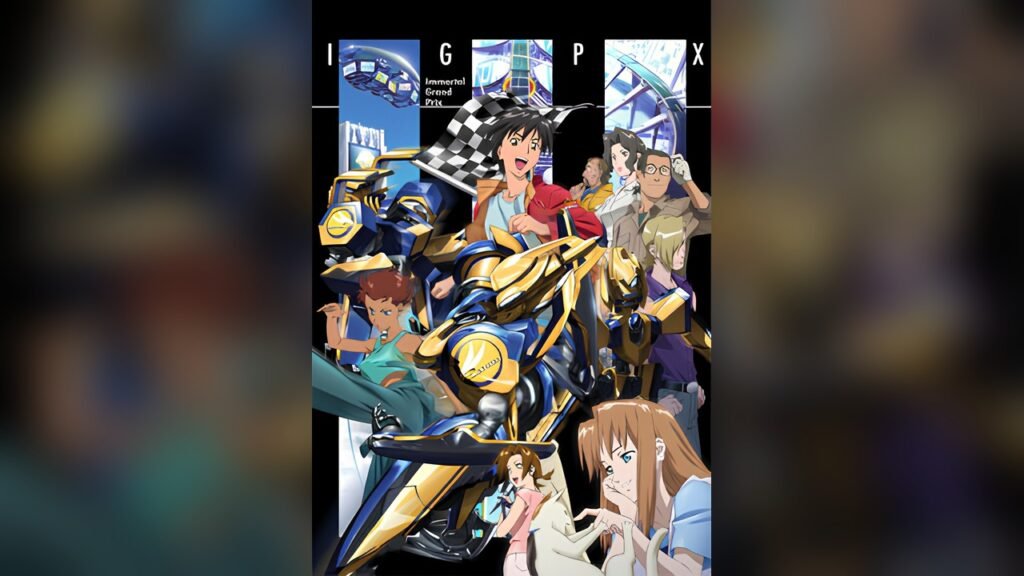
When Toonami decided to help create its own anime.
In November 2005, Toonami premiered IGPX: Immortal Grand Prix, a futuristic racing series developed through a collaboration involving Cartoon Network, Japan’s Production I.G, and Bandai Entertainment.
The story follows Team Satomi, a group of young competitors participating in the Immortal Grand Prix, where teams pilot enormous humanoid robots in high-speed races.
Imagine combining Formula One racing, giant robots, and the rivalries of a sports anime.
That’s the foundation of IGPX.
But beneath its mechanical battles is a story about teamwork, discipline, and learning to trust others under pressure.
The series also blended traditional animation with computer-generated imagery, giving its racing sequences a distinctive visual style.
Its production history makes it especially significant.
Cartoon Network and Production I.G had previously collaborated on short IGPX installments for a 2003 Toonami event. That concept eventually developed into the television series, which premiered on November 5, 2005.
Toonami wasn’t simply introducing American audiences to Japanese animation anymore. It was helping develop original anime programming.
While IGPX never achieved the lasting popularity of Toonami’s biggest franchises, its existence demonstrated how far the programming block had evolved.
It earns fifth place for its creativity and unique position in Toonami’s history.
4. Zatch Bell! (2003)
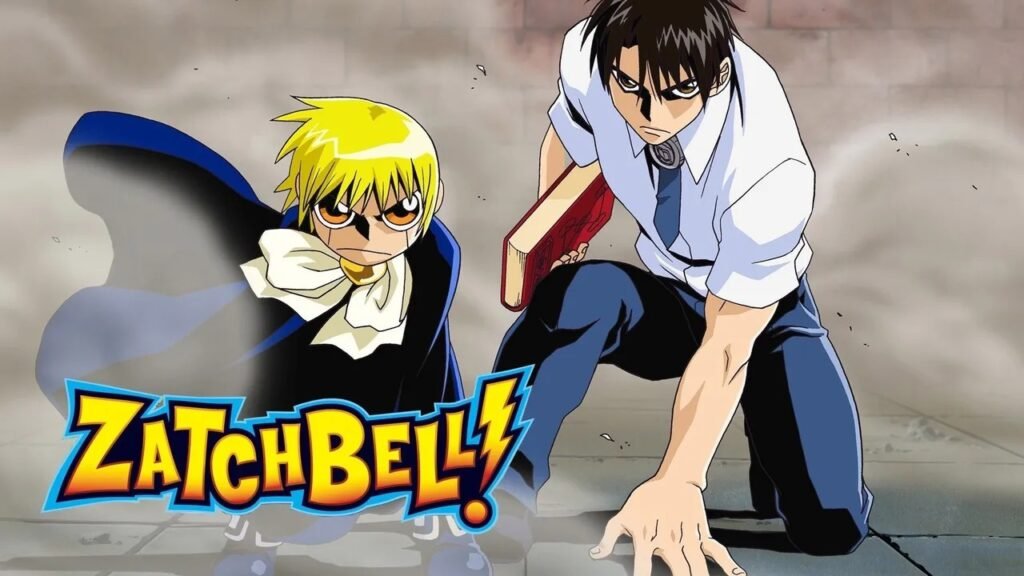
A strange-looking battle anime with more heart than you might remember.
At first glance, Zatch Bell! probably seemed like one of Toonami’s more unusual programs.
The series follows Kiyo Takamine, an intelligent but isolated teenager who meets Zatch Bell, a mysterious childlike being known as a Mamodo.
Together, they enter a supernatural competition in which Mamodo and their human partners battle to determine the next king of the Mamodo world.
The show combines unusual character designs, comedy, and increasingly elaborate magical battles.
But its greatest strength lies in the relationships between its characters.
Kiyo begins the story struggling to connect with others. Through his partnership with Zatch, he gradually develops compassion, friendship, and a greater understanding of responsibility.
Zatch also learns that becoming a good leader involves protecting others rather than simply defeating opponents.
As the series progresses, battles become emotional conflicts involving loyalty, sacrifice, and the relationships between partners.
Zatch Bell! premiered on American Toonami on March 5, 2005, and became successful enough to support merchandise, video games, and other licensing opportunities.
So the series wasn’t unsuccessful or unknown.
It simply receives less attention today than other battle anime associated with Toonami.
For fans who remember the spellbooks, unusual humor, and emotional confrontations, Zatch Bell! offered considerably more than its appearance initially suggested.
That’s why it deserves fourth place.
3. Blue Submarine No. 6 (1998)
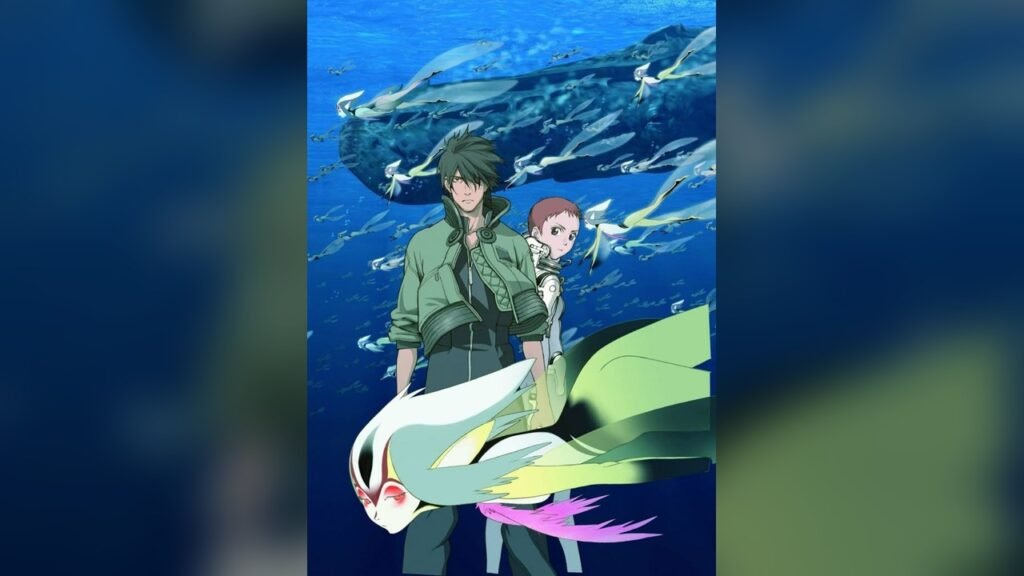
A darker science-fiction anime unlike almost anything else on Toonami.
Originally released in Japan in 1998, Blue Submarine No. 6 is a four-part original video animation set in a future where rising oceans have devastated civilization.
Humanity is fighting genetically engineered creatures created by a scientist whose experiments have contributed to the destruction of the world.
The story follows Tetsu Hayami, a former naval officer drawn back into the conflict.
Get the history behind the stories.
Two emails a week. No algorithm deciding whether you see them.
Unlike many adventure anime, Blue Submarine No. 6 presents a bleak future where humanity’s survival is uncertain.
Its story explores environmental destruction, genetic experimentation, and humanity’s attempts to control nature.
What makes the series especially interesting is how it questions the war itself.
The creatures initially appear to be enemies, but the story gradually challenges whether humanity’s actions are justified simply because people are fighting to survive.
The animation was also experimental for its time.
Studio Gonzo combined traditional hand-drawn animation with computer-generated imagery, particularly during underwater battles and mechanical sequences.
Some of those effects look dated today, but their ambition remains impressive.
Toonami broadcast the four episodes over consecutive days in November 2000.
Its brief run made it different from longer series that viewers could follow for months.
For fans who remember its underwater battles and darker atmosphere, Blue Submarine No. 6 demonstrated that anime could explore complicated ideas within a relatively short story.
It earns third place for its distinctive visual approach and ambitious science-fiction themes.
2. Zoids: Chaotic Century (1999)
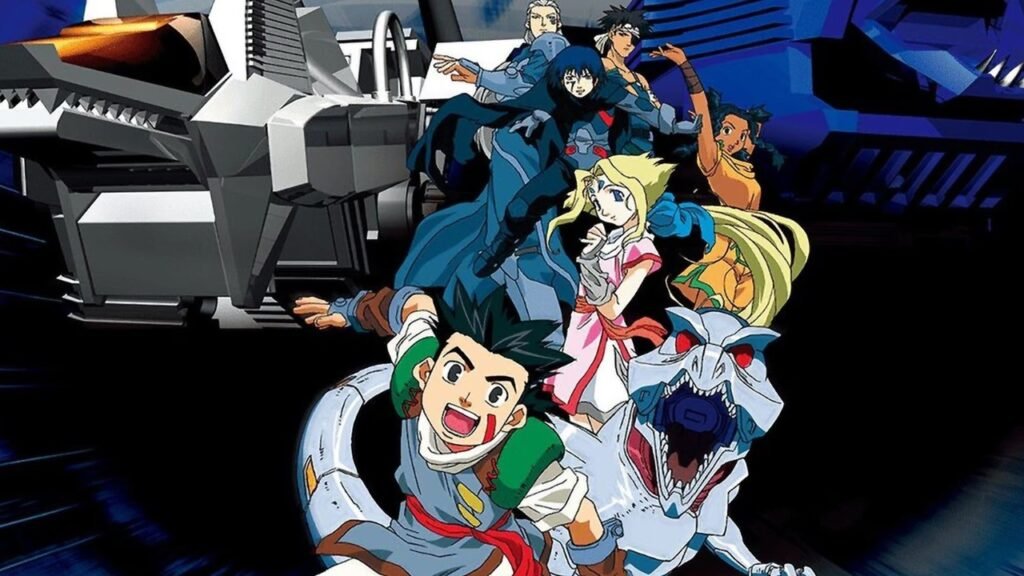
Giant mechanical animals brought us in. The story gave us a reason to stay.
If you remember watching Zoids on Toonami, chances are the mechanical creatures caught your attention first.
The franchise featured enormous animal-shaped machines designed for combat, including mechanical lions, dinosaurs, and wolves.
But Zoids: Chaotic Century offered more than impressive robot battles.
The story follows Van Flyheight, a young adventurer who discovers a mysterious girl named Fiona and a small robotic creature known as an Organoid.
Their journey eventually becomes connected to military conflicts, political struggles, and the secrets surrounding the Zoids.
What makes the series memorable is how gradually its world expands.
Van begins as an inexperienced protagonist, but his adventures become increasingly complicated as he encounters rival factions and learns more about the world around him.
His relationships with Fiona, Zeke, and other characters develop alongside the larger conflict.
Originally released in Japan in 1999, Chaotic Century joined Toonami’s American lineup on July 29, 2002, after Zoids: New Century had already aired on the block.
The two series offered different experiences.
While New Century focused heavily on competitive Zoid battles, Chaotic Century developed a larger military adventure with an evolving storyline.
Both had their strengths, but Chaotic Century rewarded viewers who followed its characters over time.
It earns second place because it combined exciting mechanical combat with character development, world-building, and a story worth becoming invested in.
Looking back, it deserved recognition for much more than its mechanical designs.
1. Outlaw Star (1998)
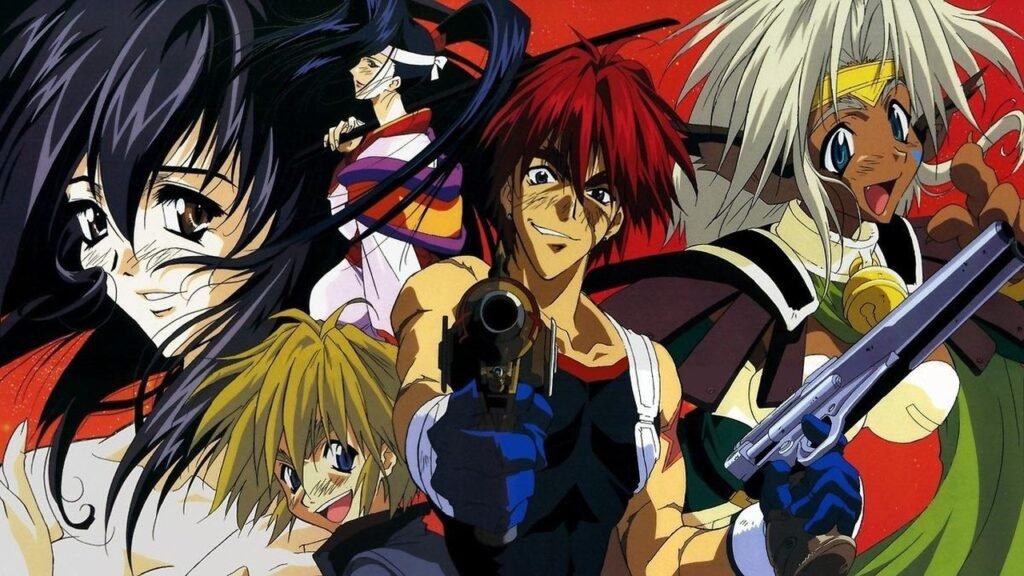
One of Toonami’s most memorable space adventures deserves another generation of fans.
Our number one selection is Outlaw Star.
Originally released in Japan in 1998, the 26-episode series follows Gene Starwind, a young adventurer who becomes involved in a dangerous mission connected to a mysterious spaceship and a woman named Melfina.
Gene eventually assembles a crew aboard the Outlaw Star, traveling through space while encountering pirates, assassins, and other dangerous opponents.
Their journey centers on the search for the Galactic Leyline, a mysterious location believed to hold extraordinary secrets.
What makes Outlaw Star special is its combination of genres.
The series blends science fiction, western adventure, martial arts, comedy, and fantasy into one unpredictable journey.
Its characters are equally important.
Gene is ambitious and confident but far from perfect. Jim Hawking provides a practical perspective, while Melfina’s mysterious origins give the story emotional depth.
Aisha Clanclan and Suzuka bring their own personalities and motivations, creating a crew that gradually begins to resemble a family.
Outlaw Star premiered on American Toonami in January 2001. It later appeared on Adult Swim before returning to Toonami in 2017.
That continued presence suggests the series maintained an audience beyond its original broadcast.
Still, it never achieved the same level of mainstream recognition as franchises such as Dragon Ball Z or Naruto.
That’s what makes it our strongest choice.
Within 26 episodes, Outlaw Star delivers memorable characters, imaginative world-building, exciting action, and a complete adventure.
It represents something Toonami did exceptionally well: introducing viewers to anime they might never have discovered on their own.
For longtime fans, it’s worth revisiting. For newer anime viewers, it’s a classic worth discovering.
Why These Anime Still Matter
Looking back, what’s interesting about these five anime is how different they are.
IGPX explored futuristic racing. Zatch Bell! combined comedy with emotional battles. Blue Submarine No. 6 presented darker science fiction. Zoids: Chaotic Century delivered a military adventure, while Outlaw Star brought several genres together in a space western.
Each offered something different from Toonami’s most recognizable franchises.
And that’s what made the programming block special.
Toonami didn’t simply give us popular anime. It introduced audiences to stories they might not have chosen for themselves.
Some became worldwide phenomena. Others developed smaller but dedicated fan communities.
But popularity doesn’t always determine how much a story means to the people who watched it.
Sometimes the series that stays with us isn’t the biggest one. It’s the unexpected show we discovered while waiting for our usual favorite to begin.
Now we want to hear from you.
Which underrated Toonami anime deserves more recognition? Did we leave one of your favorites off the list?
And if you could introduce one classic Toonami series to a new generation of anime fans, which would you choose?
Let us know and keep the conversation going with The Come Up Podcast.
MORE LIKE THIS
-
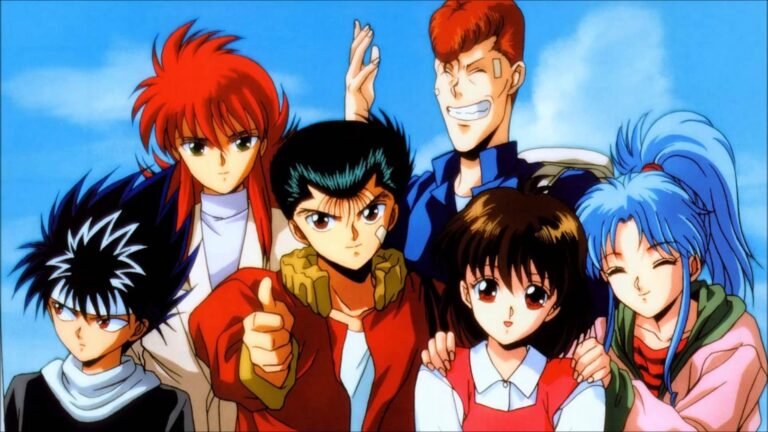
Yu Yu Hakusho Was Created by a Man It Nearly Broke. It Became One of the Greatest Anime to Ever Air on Toonami.
6 MIN READ -
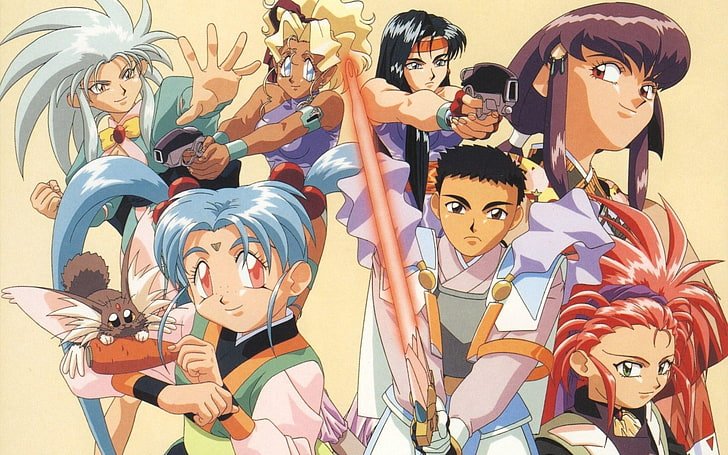
Tenchi Muyo! Aired Right After Dragon Ball Z and Gundam Wing and Proved That Anime Could Make You Laugh, Think, and Feel Things You Didn’t Sign Up For.
5 MIN READ -
Dragon Ball Z Was Cancelled Twice in America Before Toonami Turned It Into the Biggest Anime on the Planet.
7 MIN READ

Co-founder and co-host. Strong writer. Sharp eye for the details nobody else notices. Calm voice when the room gets loud. The kind of fan who can quote the scene, name the director, and tell you who else was in the cast without looking it up.