Why Is Anime So Long? The Real Reason One Piece Has 1,100 Episodes and Western Shows Have 8.
By Jimigrimm
A season of Western television is 8 to 10 episodes. Maybe 13 if the network is generous. A season drops, you watch it in a weekend, and you wait a year for the next one.
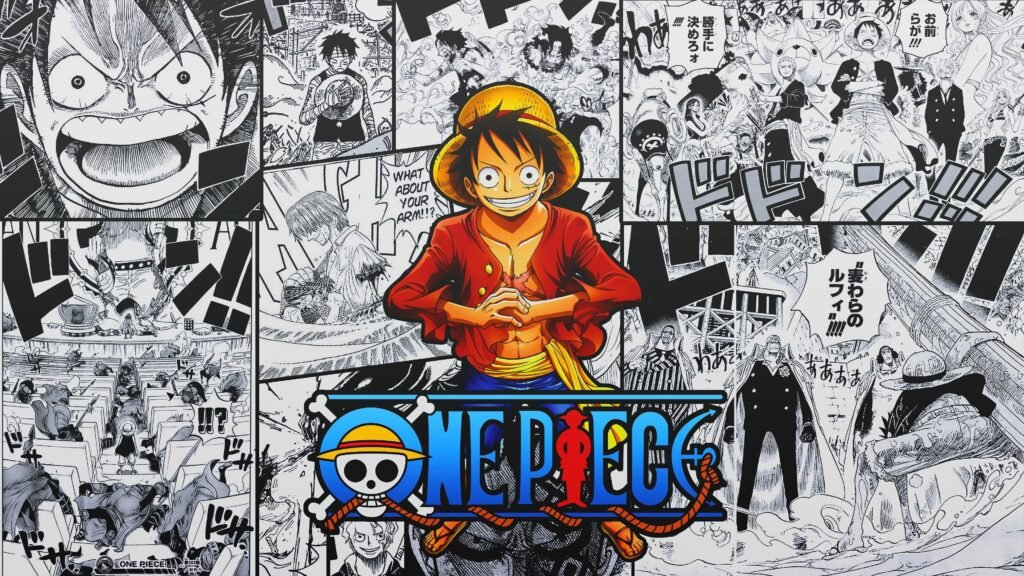
One Piece has over 1,100 episodes. Naruto has 720. Dragon Ball across all its series has over 600. Bleach has 366 plus a returning final arc. Detective Conan has over 1,100 episodes and has been airing since 1996. These aren’t outliers. They’re the standard model for an entire category of anime that has been running for decades with no structural equivalent in Western television.
If you’ve ever looked at an episode count and thought “why is this so long,” the answer isn’t that Japanese audiences have more patience than Western audiences. It’s that anime operates on a completely different business model, and that model produces a completely different kind of show.
The Manga Magazine Model
Most long-running anime are adaptations of manga that serialize in weekly magazines. The biggest of these magazines is Weekly Shonen Jump, published by Shueisha, which has launched One Piece, Naruto, Dragon Ball, Bleach, My Hero Academia, Jujutsu Kaisen, and dozens of other major franchises.
A manga serialized in Weekly Shonen Jump publishes one chapter per week, roughly 15 to 20 pages. The series runs as long as it maintains its readership rankings within the magazine. If the series is popular, it continues. If it drops in the rankings, it gets cancelled. There is no predetermined number of volumes or chapters. The creator writes until the story is finished or the audience stops reading, whichever comes first.
This is fundamentally different from how Western television works. A Western show is greenlit for a set number of episodes. The writers know how many episodes they have and structure the story accordingly. A manga creator doesn’t know how long the series will run. Eiichiro Oda didn’t know in 1997 that One Piece would still be running nearly 30 years later. The structure of the story has to accommodate indefinite continuation, which is why shonen manga tends toward episodic arcs (each island in One Piece, each mission in Naruto, each tournament in Dragon Ball) that can be extended or concluded based on audience response.
The Anime Production Model
When a manga becomes popular enough, it gets an anime adaptation. The anime typically airs weekly on Japanese television, one episode per week, 20 to 25 minutes per episode. The production is continuous. Unlike Western television, which produces a season, takes a break, and produces the next season, traditional long-running anime produces episodes year-round with minimal breaks.
The anime exists, in large part, to sell the manga. This is the detail that changes how you understand the entire system. The anime is a commercial for the printed product. Toei Animation doesn’t produce One Piece primarily to sell advertising on the TV broadcast (although that’s part of it). They produce it because every episode drives manga sales, merchandise sales, and licensing revenue. The anime is the engine that keeps the entire franchise ecosystem running.
This is why the anime doesn’t stop when it catches up to the manga. Stopping the anime means stopping the promotional engine. So instead of taking a break, the studio either creates filler episodes (content not in the manga that buys time for the creator to get ahead) or stretches canon material to fill more episodes than the source material naturally supports. Naruto chose filler. One Piece chose slow pacing. Both solutions frustrate fans, but both solutions keep the engine running.
Why Western Shows Are Short
Western television doesn’t operate on this model. A Western show is funded by a network or streaming platform that pays for production and profits from viewership (either through advertising or subscription revenue). The show exists to attract and retain viewers, not to sell a separate printed product. There’s no external revenue stream that depends on the show running continuously.
The streaming era compressed seasons further. Netflix, Disney+, and other platforms discovered that shorter seasons (8 to 10 episodes) are cheaper to produce, easier to market, and generate a concentrated burst of engagement that performs well in their metrics. A 10-episode season drops, social media explodes for a week, and the platform points to the engagement data. A 50-episode season would spread that engagement across a year and cost five times as much to produce.
The result: Western audiences are trained to expect short, dense seasons. Anime audiences, especially those watching long-running shonen series, are trained to expect long, ongoing stories that unfold across years. Neither model is better. They’re built for different business structures that produce different audience expectations.
The Cultural Difference
There’s a cultural dimension that goes beyond business. Serialized storytelling has a different tradition in Japan than in the West.
Manga magazines have been publishing weekly serialized stories since the 1950s. Readers in Japan grow up with the rhythm of following a story one chapter per week across years or decades of their lives. A series like One Piece isn’t experienced as “a show with 1,100 episodes.” It’s experienced as a weekly companion that’s been part of someone’s life since childhood. Readers who started One Piece in their teens are now in their 40s. The length isn’t a barrier. It’s the relationship.
Western audiences, by contrast, have been trained by the novel, the film, and the limited series to expect stories with defined endings. A story starts, builds, climaxes, and resolves. The Western audience walks into a show wanting to know when it ends. The Japanese manga audience walks into a series wanting to know if it’s good enough to stay with.
This difference explains why the “is it worth starting” question is primarily a Western concern. Japanese fans don’t ask “should I start One Piece” the way Western fans do. They started it when it started, and they’re still reading it because it’s still good. The episode count isn’t a calculation to be made before beginning. It’s a result of the story being worth continuing.
The Seasonal Model Changed Everything
The last decade has seen a massive shift in anime production toward the seasonal model. Shows like Attack on Titan, Demon Slayer, Jujutsu Kaisen, and My Hero Academia air in 12 to 24 episode seasons with breaks between them. This model borrows from Western television’s structured approach while maintaining anime’s connection to manga serialization.
The seasonal model exists because the previous model burned out creators, produced filler that alienated audiences, and created pacing problems that made shows harder to recommend to new viewers. It’s a direct response to the frustrations that the weekly continuous model caused.
But the long-running model hasn’t disappeared. One Piece is still airing. Detective Conan is still airing. Boruto ran for over 290 episodes. The model persists because the business logic still works for franchises with large enough audiences to sustain continuous production and merchandise revenue.
The coexistence of both models is where anime is right now. Some shows are 12 episodes. Some shows are 1,100. The difference isn’t quality or audience patience. It’s business structure.
Have you ever looked at an episode count and walked away? Which show was it? And if you’ve committed to a long-running series, when did the length stop being intimidating and start being the point? We want to hear from both sides: the fans who can’t imagine watching 1,000 episodes and the fans who can’t imagine the story being any shorter.