The Voices Behind Your Childhood Are Real People. Most Fans Have No Idea How Much They Shaped the Characters You Love.
By Jimigrimm
You know the voice. You might not know the name.
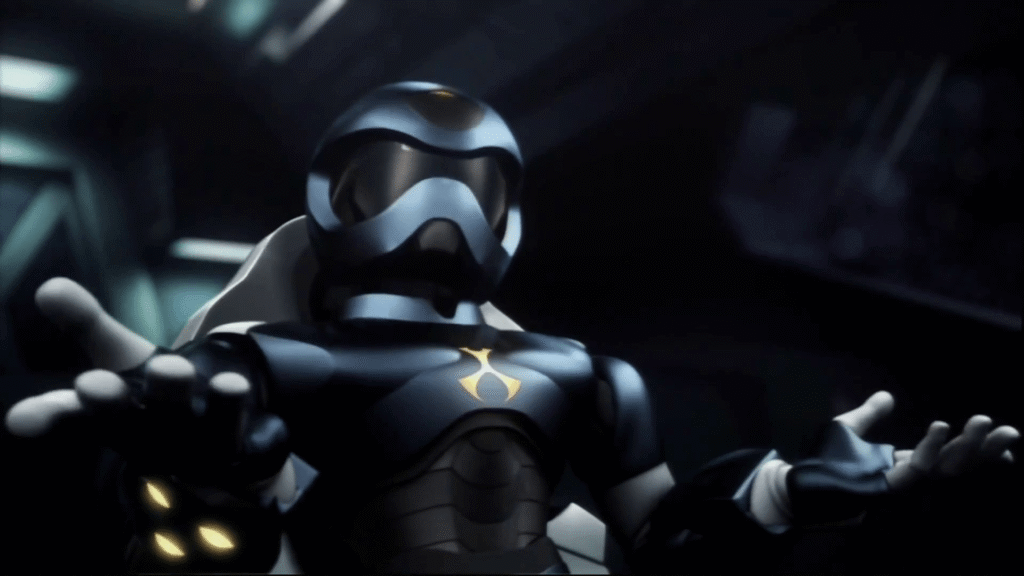
The guy who made Spike Spiegel cool, who gave Wolverine his growl in three different animated series, who has been the voice of TOM on Toonami every Saturday night for over two decades, and who played Orochimaru, Zabuza, and Green Goblin across some of the most iconic animated shows of the last 25 years? That’s all one person. Steve Blum. Over 1,200 credited roles. A Guinness World Record holder. And most fans who grew up hearing his voice every week couldn’t pick him out of a lineup.
The people who gave voices to the characters you love are some of the most talented, hardworking, and underappreciated artists in the entertainment industry. They shaped how you heard Batman, how you experienced Cowboy Bebop, how you felt the weight of Naruto’s world. And right now, in 2026, the craft they built is under more pressure than it’s ever been.
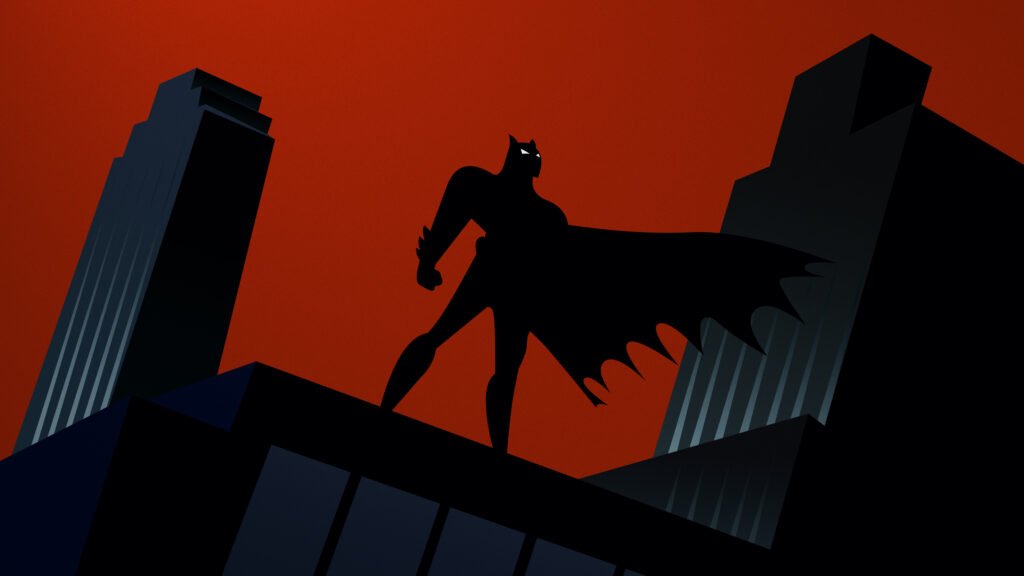
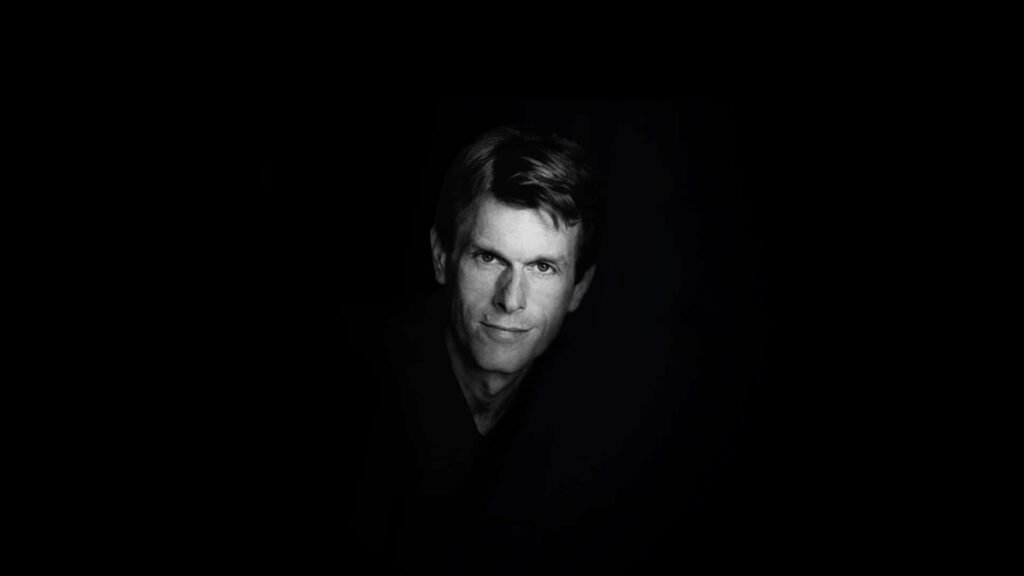
Kevin Conroy Was Batman for 30 Years. His Story Is as Deep as the Character He Played.
Kevin Conroy didn’t grow up reading comics. He grew up in a turbulent Irish Catholic household in Connecticut with an alcoholic father who once attempted suicide while Conroy was in high school. He escaped into acting, earned a full scholarship to Juilliard at 17 years old, and roomed with Robin Williams during his time there. After graduating, he worked in theater, soap operas, and guest spots on shows like Cheers and Murphy Brown. None of it stuck the way he hoped.
Then in 1991, casting director Andrea Romano was searching for someone to voice Batman in a new animated series. She went through hundreds of auditions. Conroy walked in and did something no one had done before: he used two completely different voices for Batman and Bruce Wayne. His inspiration was the 1934 film The Scarlet Pimpernel, where the lead hides behind a charming facade. Conroy made Bruce Wayne light and disarming and Batman deep and dangerous. The producers loved the concept but asked him to narrow the gap so it felt more subtle. That adjustment became the definitive Batman voice for an entire generation.
He played Batman for 30 years. Over 400 episodes of television, 15 films, two dozen video games including the Batman: Arkham series, and he voiced the character more times than any other actor in Batman’s 80-year history. Mark Hamill, who played his Joker for decades, said after Conroy’s passing in November 2022: “He was one of my favorite people on the planet, and I loved him like a brother.”
Here’s a detail most fans don’t know. Andrea Romano, the voice director on Batman: The Animated Series, insisted on recording the actors together in the same room whenever possible. Most animated shows record actors separately to save time and scheduling hassle. Romano came from a theater background and believed that actors needed to feed off each other to give their best performances. Conroy and Hamill recorded their Batman and Joker scenes together, playing off each other in real time. That chemistry you feel when you watch those episodes? It’s because two actors were standing in the same room, reacting to each other, the way theater actors do on stage. That creative decision is a huge part of why Batman: The Animated Series still sounds better than almost any animated show made since.
Conroy was also a gay man who grew up hiding that part of himself in a devoutly religious family during the 1980s AIDS epidemic, losing friends constantly. He wrote about it in a 2022 autobiographical comic called Finding Batman, where he reflected on how concealing parts of himself for decades prepared him to play a character whose entire existence depends on maintaining a double life. The voice that came out of him for Batman, he wrote, “seemed to roar from 30 years of frustration, confusion, denial, love, yearning.” That’s not just acting. That’s a human being pouring their actual life into a character. And that’s why the performance is irreplaceable.
Steve Blum Is in Everything. You Just Don't Know It's Him.
Steve Blum’s career is almost absurd in its scope. He’s Spike Spiegel in Cowboy Bebop. He’s TOM, the robotic host of Toonami, a role he’s held since the early 2000s and still performs every Saturday night in 2026. He’s Wolverine in Wolverine and the X-Men, X-Men anime, and multiple Marvel video games. He’s Orochimaru and Zabuza in Naruto. He’s Green Goblin in Spectacular Spider-Man. He’s Amon in The Legend of Korra. He’s Starscream in Transformers: Prime. He’s Sub-Zero in Mortal Kombat. He’s Grunt in Mass Effect. He’s Tank Dempsey in Call of Duty. He’s Vincent Valentine in Final Fantasy VII.
That’s a partial list. The full list is over 1,200 roles.
Blum holds a Guinness World Record for the most voice acting roles in video games. His voice has been in your television, your headphones, and your game console for over 25 years, often multiple times in the same week across different shows and games. He’s the connective tissue between anime, Western animation, and gaming in a way that no other voice actor can match.
And here’s what makes his story relevant to where the industry is headed: Blum built his career on range, on being able to disappear into wildly different characters across wildly different genres. AI voice synthesis can clone a voice. It can’t clone the creative instinct that made Blum choose to play Spike Spiegel with understated coolness, Wolverine with barely contained rage, and Amon with chilling calm. Those aren’t just vocal tones. They’re performances shaped by decades of craft and human judgment.
The Craft Is Under Threat From Every Direction
Voice actors in 2026 are facing a convergence of pressures that didn’t exist even five years ago.
AI voice synthesis is advancing rapidly. Studios can now generate synthetic voices that approximate human speech with increasing accuracy. The fear among working voice actors isn’t hypothetical. It’s already happening in adjacent industries (audiobooks, commercial voiceover, video game background characters), and the technology is improving fast enough that lead performances could be targeted within years.
The SAG-AFTRA labor situation has put voice actors and studios in direct conflict. When Crunchyroll recast the English voice of Mob in Mob Psycho 100’s third season, the original actor Kyle McCarley offered to work on a non-union contract on the condition that Crunchyroll meet with SAG-AFTRA representatives to discuss future contracts. Crunchyroll refused. The message was clear: the platform that dominates Western anime distribution would rather replace a voice actor than have a conversation about fair labor practices.
Meanwhile, the convention circuit, which has been a critical source of income and fan connection for voice actors for decades, is the one place where the appreciation is tangible. Fans line up to meet the person who voiced their favorite character. They bring art. They share stories about what that character meant to them growing up. For many voice actors, conventions are where they feel the impact of their work most directly. But convention income is inconsistent, and it can’t replace the stability of fair industry compensation.
Why This Matters to Fans
You might think voice acting is separate from the things you care about as a fan. It isn’t. The voice IS the character for an entire generation of fans who grew up on animated shows and dubbed anime. Kevin Conroy IS Batman the same way Robert Downey Jr. IS Tony Stark. Steve Blum IS Spike Spiegel the same way Hugh Jackman IS Wolverine. The emotional connection is identical. The industry recognition is not.
When studios invest in AI to replace voice performances, or refuse to negotiate fair pay, or recast roles to avoid labor conversations, they’re making a calculation that the voice doesn’t matter as much as the IP. That the character is bigger than the person who brings it to life. And every fan who has ever heard Kevin Conroy say “I am Batman” or Steve Blum say “bang” at the end of Cowboy Bebop knows that calculation is wrong.
These are the people behind the characters you grew up with. They deserve to be known by name, not just by voice. And the industry they built deserves to be protected from the forces trying to automate it out of existence.
Which voice actor defined a character for you? Whose performance made a show land in a way it wouldn’t have without them? We want to hear it.
READ NEXT