The MCU X-Men Movie Is Coming. Which Team Should Hit the Big Screen?
The MCU's Biggest Decision Isn't a Story. It's a Roster. And It'll Shape the Next Decade of Marvel.
By Jimigrimm
Forget the plot. Forget the villain. Forget the timeline. The single most important creative decision Marvel Studios will make about its X-Men movie is which team they put on screen.
That might sound like an overstatement. It’s not.
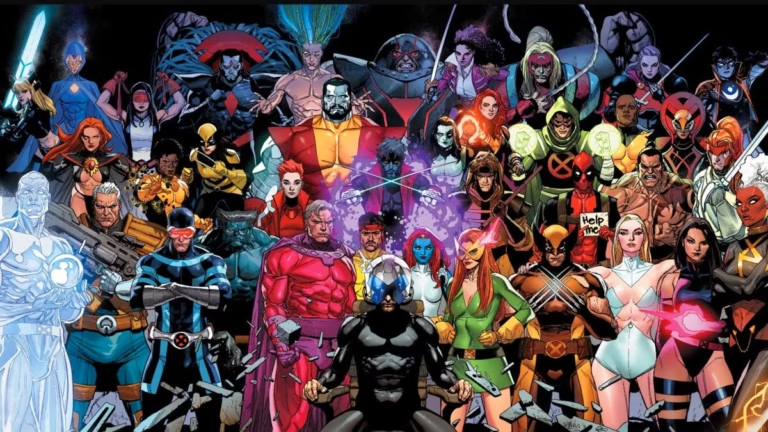
Every X-Men roster in the franchise’s 60+ year history carries a different identity, a different set of themes, and a different kind of story. The Original Five are a coming-of-age school drama. The Giant-Size team is a global outsiders story. The ’90s squad is pure soap opera spectacle. Astonishing X-Men is a character study. X-Force is a moral thriller. These aren’t just different characters in different costumes. They’re different creative directions that would define what the MCU feels like for the next decade.
Jake Schreier is directing. Michael Lesslie wrote the script. Kevin Feige has said the movie will be “youth-oriented” and centered on Xavier’s School for Gifted Youngsters, telling stories about “young people who feel different and who feel Other.” Sadie Sink is widely reported as Jean Grey. Harris Dickinson is rumored as Cyclops. Reports indicate Cyclops and Jean Grey will co-lead the team. Filming could start in the UK as early as late 2026 with a 2028 release looking likely.
The pieces are moving. But the roster choice is what locks in the creative vision. Here’s what each option would actually mean for the MCU’s future.
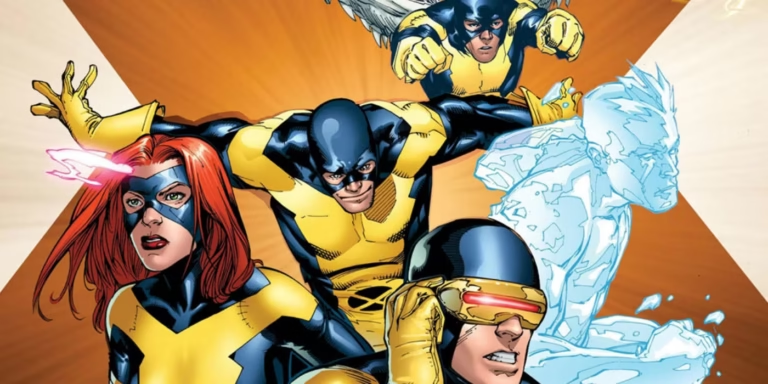
The Original Five: The Clean Slate Bet
Cyclops. Jean Grey. Beast. Iceman. Angel. If Marvel picks this roster, they’re making a statement: we’re starting from zero.
This is the most Feige-aligned choice based on what he’s said publicly. A school setting. Young characters. Stories about identity and belonging. The Original Five are teenagers learning who they are under Xavier’s guidance. No Wolverine. No massive roster. Just five kids and a teacher.
The creative upside? It gives the MCU years of runway. You introduce five characters, let the audience bond with them, and build toward bigger rosters in sequels. It’s the Iron Man approach applied to a team movie. Start small. Earn trust. Expand later.
The risk? The Original Five weren’t popular enough to sustain their own comic in the ’60s. The book nearly got cancelled. It took a complete roster overhaul to save the franchise. Casual audiences might expect Wolverine, Storm, and Gambit from day one. Patience isn’t always what the box office rewards.
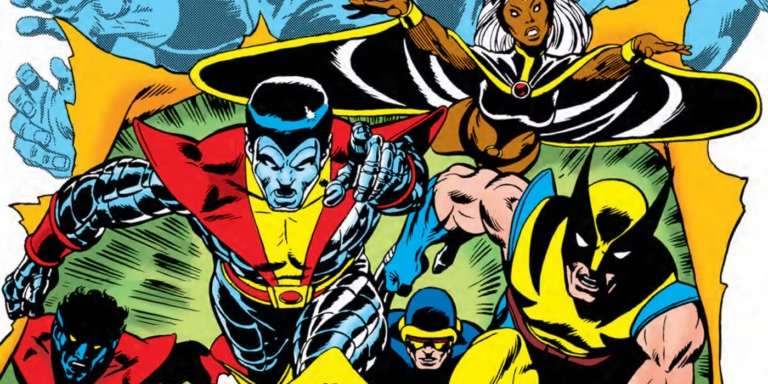
The All-New, All-Different Team: The Diversity Play
Giant-Size X-Men #1 (1975) brought in Wolverine (Canada), Storm (Kenya), Nightcrawler (Germany), Colossus (Russia), Banshee (Ireland), Sunfire (Japan), and Thunderbird (Apache Nation). This is the team that saved the X-Men by making them international.
If Marvel picks this direction, they’re betting on the X-Men as a global franchise from the jump. Not an American team. A world team. In a post-Wakanda Forever MCU that’s already proven international representation drives audiences and box office, this isn’t just a creative choice. It’s a business strategy.
This roster also connects to the strongest stories in X-Men history. Chris Claremont took this team and built the Dark Phoenix Saga, Days of Future Past, and God Loves Man Kills. If the MCU wants to set up a multi-film arc on par with the Infinity Saga, the All-New All-Different foundation is where those stories come from.
The Claremont Classic: The "Do It Right This Time" Play
Wolverine. Storm. Cyclops. Nightcrawler. Colossus. Kitty Pryde. Rogue. This is the lineup a lot of fans consider the definitive X-Men team. And it’s also the lineup the Fox movies pulled from without ever fully committing to.
Choosing this roster would be Marvel saying: we know Fox fumbled some of these characters. We’re going to do them justice. Storm gets to be the leader she is in the comics, not a background character with three lines. Rogue gets her real powerset and personality instead of whatever the original trilogy gave us. Kitty Pryde gets the spotlight she’s deserved since 1980.
This is the crowd-pleaser pick. It gives audiences the characters they know while promising better execution. The risk is that it could feel too familiar, like the MCU is just remaking Fox’s X-Men with a bigger budget. Marvel would need to find ways to make it feel genuinely new.
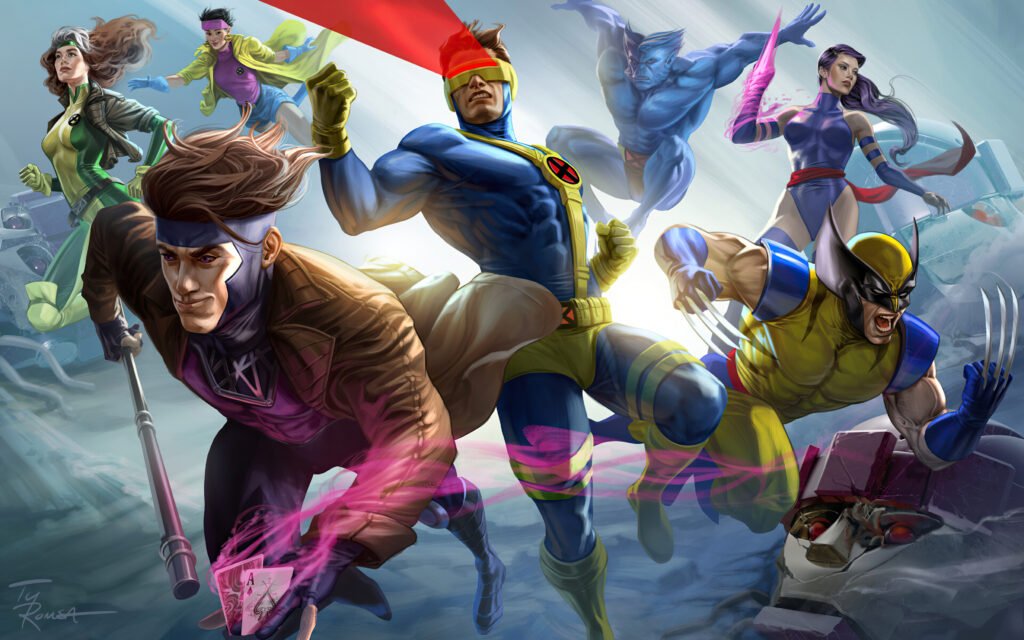
The '90s Blue and Gold: The Nostalgia Powerhouse
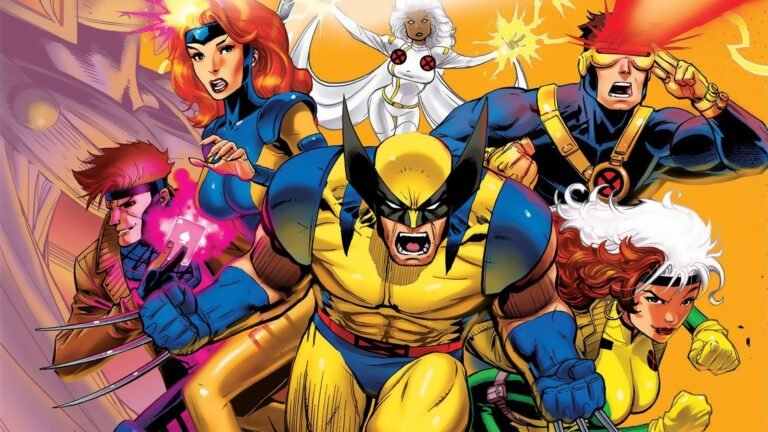
X-Men #1 sold over 8 million copies in 1991. The animated series launched in 1992 and introduced millions of kids to mutants. X-Men ’97 brought it all back in 2024 and proved the appetite is still massive. Reports suggest screenwriter Lesslie pitched an X-Men ’97-inspired roster.
If Marvel goes this route, they’re tapping into the deepest well of nostalgia in the entire franchise. Cyclops, Jean Grey, Wolverine, Storm, Rogue, Gambit, Beast, Jubilee. These are the characters most casual fans picture when they hear “X-Men.”
The creative upside is massive. The ’90s era had the iconic designs, the relationship drama, the team dynamics, and the soap opera energy that made X-Men feel different from every other superhero team. The MCU doesn’t have anything that operates on that emotional frequency right now. The downside is roster bloat. That’s a lot of characters to introduce in one movie. The Avengers worked because audiences had already met most of the team in solo films. The X-Men won’t have that luxury.
Astonishing X-Men: The Character-First Approach
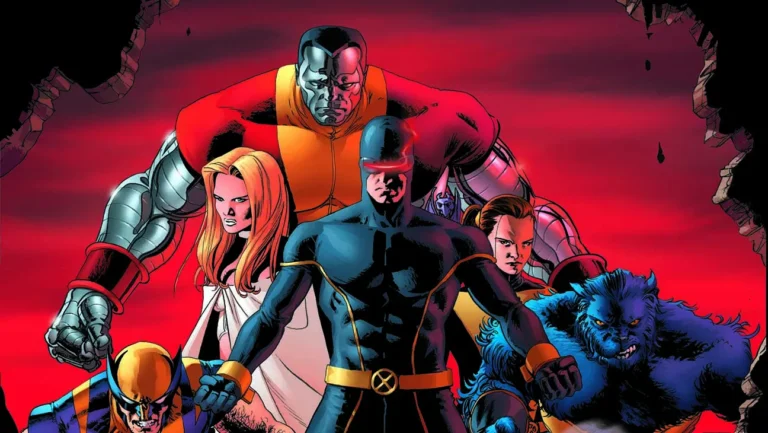
Cyclops. Emma Frost. Wolverine. Beast. Kitty Pryde. Colossus. Six characters. No massive ensemble. Just tight, personal storytelling.
This is the play for quality over spectacle. Joss Whedon’s Astonishing X-Men run proved that a stripped-down X-Men team with real chemistry could be just as compelling as the biggest crossover events. Emma Frost replacing Jean Grey as the team’s primary telepath would immediately signal to audiences that this isn’t the Fox version. And with Julia Butters reportedly in the mix to play Kitty Pryde, this direction has real casting momentum.
If Feige and Schreier want to build the X-Men the way the MCU built the Avengers, character by character until the audience is fully invested, Astonishing is the template. You go small. You make every character matter. And you earn the bigger rosters down the line.
X-Force: The Dark Horse
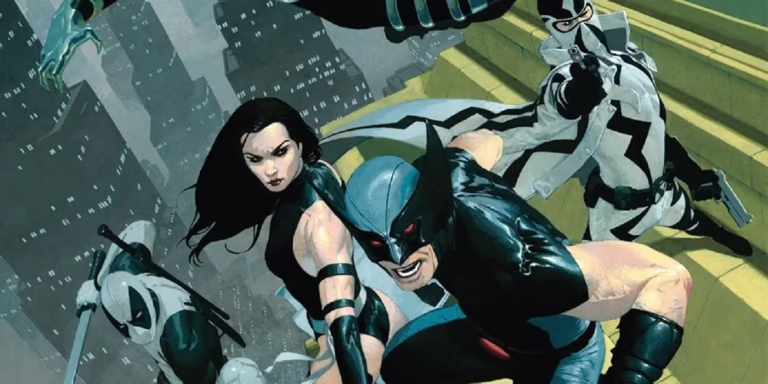
Not every X-Men team gives speeches about coexistence. X-Force is the militant wing. Cable. Domino. Wolverine. Psylocke. Fantomex. Archangel. A secret kill squad making impossible moral choices.
This wouldn’t be the first X-Men movie. But it could be where the franchise goes after the foundation is set. Rick Remender’s Uncanny X-Force (2010-2012) is one of the best X-Men stories ever told, and it only works because the audience already cares about the characters being put in impossible positions. Marvel doesn’t need to use this team now. But knowing it’s in the deck for future phases should excite anyone who wants the MCU’s mutant corner to eventually go darker.
The Real Question
Every one of these rosters tells a different story. The Original Five says “let’s grow together.” The All-New All-Different team says “the X-Men belong to the world.” The Claremont Classic says “let us fix what Fox got wrong.” The ’90s squad says “give the people what they remember.” Astonishing says “trust the characters.” X-Force says “we’re not afraid to go dark.”
The MCU isn’t just picking a team. It’s picking a creative identity for the most iconic superhero franchise it hasn’t touched yet. That choice will echo through every X-Men sequel, spinoff, and crossover for the next decade.
Which direction would you take? Tell us in the comments.
thecomeuppodcast.com
READ NEXT
Stop Waiting for Sony to Give Spider-Man Back. It's Not Happening.
Why Does Avengers: Doomsday Feel Different From Every Avengers Movie Before It?