Every Era of Toonami Brought Something Different. Every One of Them Shaped Who You Are Today.
By Jimigrimm
Toonami wasn’t one thing. It was five or six different things across three decades, and every version of it left a mark on a different generation of fans.
Some of you remember Moltar. Some of you remember TOM’s voice telling you what was coming up next from the bridge of the Absolution. Some of you stayed up way past bedtime for the Midnight Run. Some of you were there the night it died. And some of you were there when it came back from the dead on Adult Swim and proved that nothing keeps Toonami down for long.
Each era had its own lineup, its own energy, and its own audience. And each one pushed anime deeper into Western culture in ways that the era before it couldn’t. So let’s walk through every major chapter of Toonami’s history, what defined it, what shows made it matter, and what it meant for the people who were watching.
The Moltar Era (March 1997 to July 1999)
This is where it all started. March 17, 1997. Toonami replaced Cartoon Network’s old Power Zone block and launched as a weekday afternoon programming block running from 4 to 6 PM. The host was Moltar, the Space Ghost villain turned producer, broadcasting from the Ghost Planet Industries building.
The original lineup was modest. Thundercats. Voltron. The Real Adventures of Jonny Quest. Classic Hanna-Barbera action cartoons. It wasn’t anime-heavy at all in the beginning. Toonami’s first year was actually a struggle. Minimal funding. Middling ratings. Moltar himself had a bumper that straight up asked: “Is Toonami a failed experiment?”
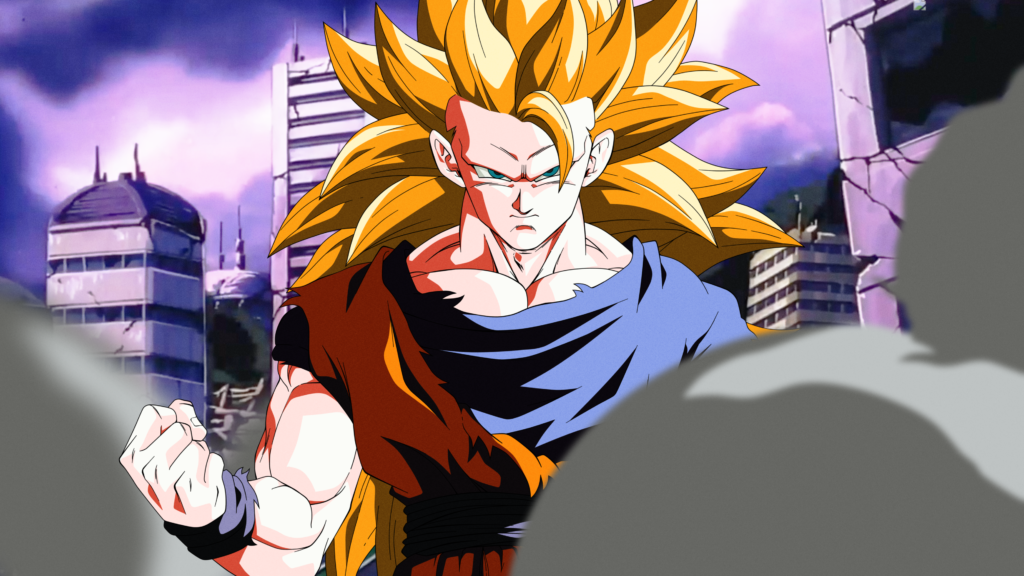
But then the dominoes started falling. Sailor Moon premiered on Toonami in June 1998 and immediately brought in a new audience. Dragon Ball Z debuted in August 1998 and changed everything overnight. DBZ at 5 PM became appointment television for an entire generation of kids who had never seen anything like it. The ratings exploded. The block went from a question mark to a cultural force in less than a year.
The Moltar era was the foundation. It proved that American kids would watch anime if you gave them the opportunity. It also proved that the right show at the right time could turn a struggling programming block into the most important thing on the network. Without this era, nothing else happens.
The TOM 1 and Golden Age (July 1999 to Late 2002)
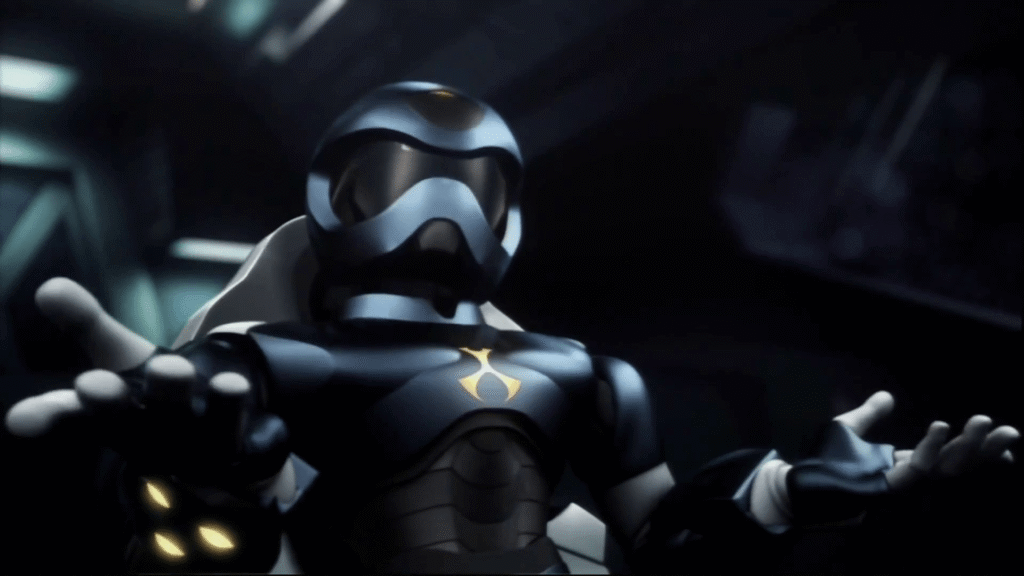
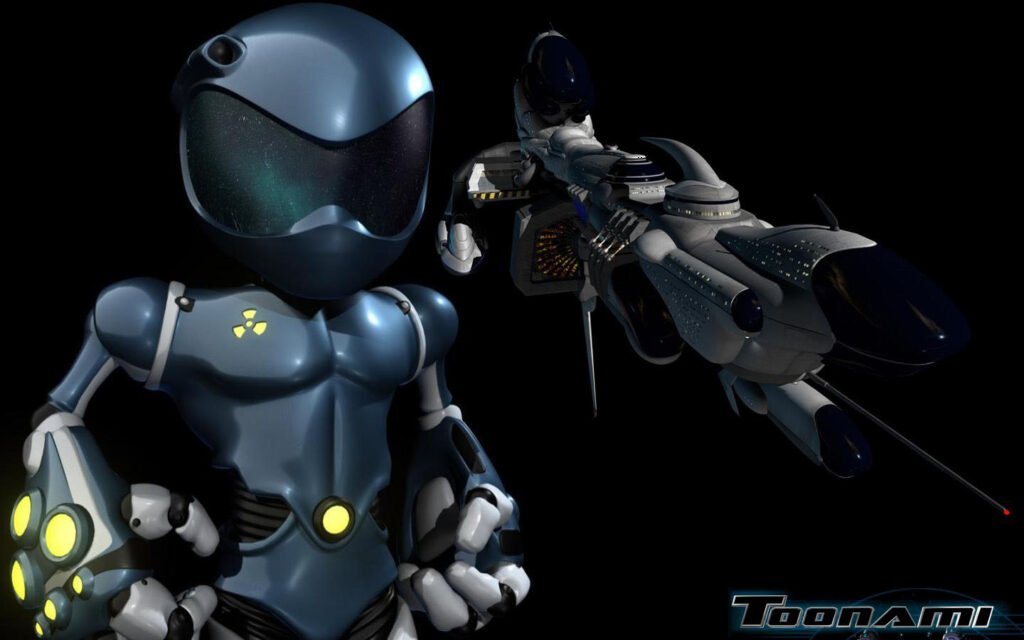
On July 10, 1999, Moltar was retired. In his place came TOM, a robot broadcasting from the Ghost Planet Spaceship Absolution. That same night launched the Midnight Run, a five-hour late-night block that ran from midnight to 5 AM and gave fans access to shows they couldn’t see during the daytime hours.
This is where Toonami went from a programming block to a universe. The Absolution, SARA (the ship’s AI), the Clydes (custodial robots), the Total Immersion Events where fans played online games that tied into ongoing storylines aboard the ship. Toonami wasn’t just airing shows. It was telling its own story in between them. No other programming block on American television was doing anything like that.
The lineup during this era was stacked. Dragon Ball Z was still the centerpiece, but now it was surrounded by Gundam Wing, Outlaw Star, Tenchi Muyo!, Sailor Moon, The Big O, and later Yu Yu Hakusho, Rurouni Kenshin, and .hack//SIGN. The Midnight Run added shows that were too mature for the afternoon block, giving older fans a reason to stay up. Toonami Rising Sun launched on Saturday mornings in 2000 to catch yet another audience.
In September 2000, TOM got an upgrade. TOM 2 was bigger, sleeker, and voiced by Steve Blum, whose deep, calm delivery became the definitive Toonami voice for millions of fans. (If you were in those comments calling out Steve Blum’s voice, you already know.) The music shifted to a heavier drum-and-bass sound. The aesthetic leaned harder into sci-fi. Everything about Toonami felt like it leveled up.
This era is what most fans think of when they think of Toonami. The after-school ritual. Coming home, dropping your backpack, turning on Cartoon Network, and knowing that for the next two or three hours, you were somewhere else. DBZ at 5. Gundam Wing at 5:30. Yu Yu Hakusho after that. The lineup read like a greatest hits album that updated every few months.
The Golden Age earned its name. Toonami was the number one reason most Western millennials got into anime. Period.
The Transition and Saturday Night Era (2003 to 2007)
Things started shifting around 2003. Dragon Ball Z’s run was finally winding down after years of dominance. TOM got another redesign (TOM 3), and the Absolution was upgraded with a new look and a crew of robots named Flash and D. The aesthetic moved away from the sleek TOM 2 era into something more stylized.
In April 2004, Toonami moved from weekday afternoons to Saturday nights, running from 7 to 11 PM. This was a major shift. The after-school version of Toonami was gone. Now it was a weekend event.
The lineup reflected the change. Naruto became the new anchor, the way DBZ had been before it. One Piece, Zatch Bell, IGPX, and Duel Masters filled out the schedule. Teen Titans, Samurai Jack, and Justice League Unlimited rounded out the American animation side. This era also introduced a wave of fans who came to Toonami through Naruto the same way the previous generation came through DBZ. Different show, same pipeline.
But the ratings weren’t what they used to be. Anime was more accessible through the internet by this point. Fansubs were easy to find. DVD box sets were everywhere. The argument for Toonami as the only way to watch anime was getting weaker. The block was still beloved, but the landscape underneath it was changing.
The Dark Age and the End (2007 to September 20, 2008)
This is the era fans don’t like to talk about. By 2007, Toonami had shrunk. The lineup was smaller. The energy was different. Shows like Wulin Warriors and some of the weaker additions made longtime fans feel like the block had lost its identity.
On September 20, 2008, Toonami aired its final broadcast. TOM sat on the bridge of the Absolution one last time and delivered a sign-off that echoed Spike Spiegel’s final words from Cowboy Bebop: “Bang.” The screen went dark. Toonami was gone.
For fans who grew up with the block, that moment was real grief. It sounds dramatic to say that about a TV programming block, but Toonami wasn’t just TV. It was a shared experience that an entire generation built their relationship with anime around. When it ended, it felt like a chapter of your childhood officially closed.
The Resurrection (2012 to Present)
On April 1, 2012, Adult Swim aired a surprise Toonami lineup as an April Fools joke. TOM was back. The Absolution was back. The music was back. And the internet went absolutely berserk.
The hashtag #BringBackToonami trended worldwide. Fans who hadn’t thought about the block in years suddenly realized how much they missed it. Adult Swim saw the response and made the call. On May 26, 2012, Toonami officially returned as a late-night Saturday block on Adult Swim, and the hashtag #ToonamisBackBitches trended alongside it.
This version of Toonami was different. It aired from midnight onward, targeting the now-adult audience that had grown up with the original block. The lineup reflected that: shows like Attack on Titan, Sword Art Online, Kill la Kill, My Hero Academia, JoJo’s Bizarre Adventure, Demon Slayer, and later Chainsaw Man, Dandadan, and Jujutsu Kaisen. Harder. More mature. But unmistakably Toonami.
The Adult Swim era proved something important. The audience Toonami built in the late ’90s and 2000s never actually left. They grew up, their tastes evolved, and when Toonami came back with programming that matched where they were now, they showed up again. That loyalty is almost unheard of in television. Programming blocks don’t get second lives. Toonami did, because what it built with its audience wasn’t just viewership. It was trust.
And that trust is still holding. Toonami is still on the air in 2026, still introducing fans to new anime every Saturday night, still hosted by TOM, still doing the thing it’s been doing for nearly 30 years. The lineup changes. The shows evolve. But the mission has been the same since March 17, 1997: bring the best action animation to the people and let them fall in love with it on their own terms.
Every Era Has Its Fans
Here’s the thing about Toonami eras. Nobody’s wrong about which one was the best, because nobody experienced them the same way.
If you were there for Moltar, you watched Toonami figure out what it wanted to be and saw DBZ change everything in real time. If you were a Golden Age kid, you had the deepest lineup in the block’s history and Steve Blum’s voice guiding you through it every afternoon. If you came up during the Saturday Night era, Naruto was your anchor and you experienced Toonami as a weekend ritual instead of an after-school one. If you were there for the end, you felt TOM’s “Bang” in your chest. And if you came back for the Adult Swim resurrection, you proved that Toonami’s audience is ride or die in a way that no other programming block in television history can claim.
Every era built something. Every era brought in somebody new. And every era gave its fans a chapter of the story that belongs to them.
Which Toonami era is yours? What shows defined it for you? What do you remember most? Drop it in the comments. We want to hear everybody’s chapter.
thecomeuppodcast.com
READ NEXT