
The MCU Was Built on Characters Nobody Wanted. The Ones Marvel Sold Off Were the Popular Ones.
By Jimigrimm
In December 1996, Marvel Comics filed for Chapter 11 bankruptcy. The company that created Spider-Man, the X-Men, the Fantastic Four, and the Avengers was broke. The comic book speculation bubble had burst, sales had cratered, and Marvel was drowning in roughly $250 million in debt. The most iconic characters in American pop culture belonged to a company that couldn’t keep its lights on.
To survive, Marvel did the only thing it could. It started selling.
Spider-Man went to Sony. The X-Men and the Fantastic Four went to 20th Century Fox. Daredevil went to Fox. The Hulk went to Universal. Ghost Rider went to Sony. Blade went to New Line Cinema. Black Panther, Thor, Ant-Man, and Deadpool went to Artisan Entertainment. Black Widow went to Lionsgate. Captain America went to New Line. Iron Man went to New Line.
Marvel didn’t just sell a few characters. It sold nearly everything any studio was willing to buy, down to Z-list names like Mort the Dead Teenager. The company was so desperate for cash that it accepted whatever deals it could get. When Blade made $70 million at the domestic box office in 1998, Marvel’s cut was $25,000. When the first two Spider-Man films made $3 billion combined, Marvel saw roughly $62 million. The characters were generating fortunes. Just not for Marvel.
Former Marvel Films boss Avi Arad put it bluntly: “We were giving away the best part of our business.”
The Characters Nobody Bought
Here’s where the story turns into something nobody saw coming.
Studios bought the characters they recognized. Spider-Man was Marvel’s most popular hero. The X-Men had a massive fanbase. The Fantastic Four had name recognition. These were safe bets with built-in audiences.
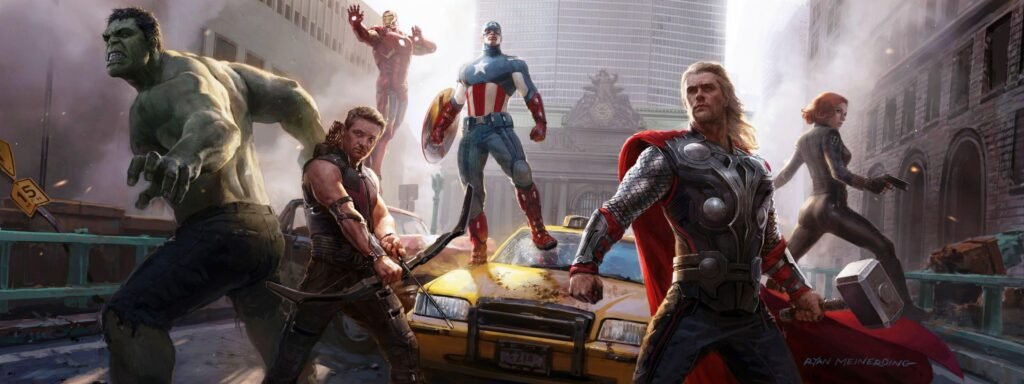
But a handful of characters were so far off Hollywood’s radar that no studio held onto them long enough to make a film. Iron Man bounced from New Line to other hands and eventually reverted back to Marvel when nobody moved on it. Thor passed through Artisan, Sony, and Paramount without getting produced. Captain America’s rights landed back at Marvel after New Line let the option lapse. The Avengers as a team were considered worthless because nobody outside of comic shops knew who they were. If you asked a random person in 2005 what “the Avengers” meant, they would have thought you were talking about the British spy show.
These were the leftovers. The characters the entire film industry looked at and decided weren’t worth the investment. And they were the only ones Marvel had left when it decided to start making its own movies.
The $500 Million Bet on Characters Nobody Cared About
In 2005, Marvel Entertainment made a decision that could have ended the company. It borrowed over $500 million from Merrill Lynch to finance its own independent film studio. The plan was to produce superhero films in-house instead of licensing characters to other studios for pennies on the dollar.
The collateral for that loan was the film rights to Marvel’s remaining characters. If the first film flopped, the lender would seize the rights to the Avengers and every character attached to them. The MCU would have been dead before it started.
The character they chose to launch the entire operation was Iron Man. Not Spider-Man. Not Wolverine. Not any character that a mainstream audience would have recognized on sight. A B-list playboy inventor in a metal suit, whose name meant almost nothing outside of comic book readers.
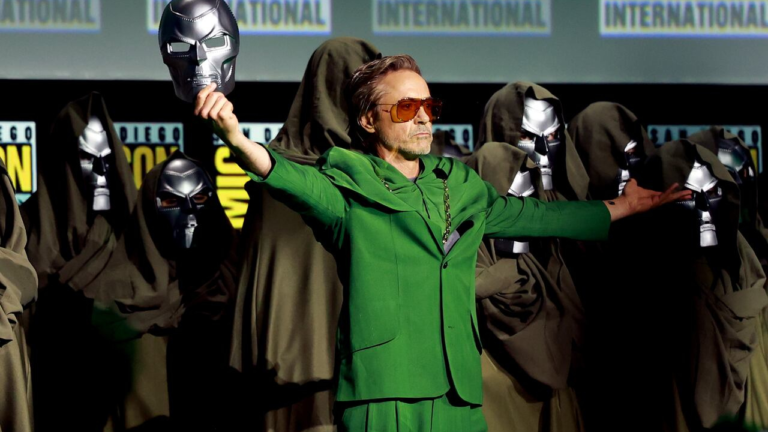
The casting choice made it riskier. Director Jon Favreau wanted Robert Downey Jr. for Tony Stark. Downey had spent years battling substance abuse issues and had been to prison. The studio’s financial backers were not enthusiastic about betting half a billion dollars on a largely unknown character played by an actor Hollywood considered a liability.
Iron Man opened in May 2008 and made over $585 million worldwide. The MCU was born.
Every "Nobody" Became a Somebody
What followed is the most unlikely franchise success story in film history, built entirely from characters that the industry had already rejected.
Thor was considered a hard sell. A Norse god with a cape and a hammer sounded absurd to mainstream audiences. The first Thor film made $449 million in 2011. Captain America was considered outdated. A patriotic superhero in a flag suit felt like a relic from a different era. The First Avenger made $370 million. The Avengers brought them all together in 2012, and it made $1.5 billion. The characters nobody wanted generated more revenue in one film than Spider-Man and X-Men had earned for their respective studios combined at that point.
Then Marvel pushed further. Guardians of the Galaxy was a 2014 film based on a team so obscure that most comic book readers hadn’t heard of them. A talking raccoon and a tree that says three words. James Gunn directed it. It made $773 million and became one of the most beloved films in the franchise.
Ant-Man. Doctor Strange. Black Panther. Captain Marvel. Shang-Chi. Characters that spent decades in the back pages of Marvel Comics, characters that no studio would have touched in the 1990s, each became the center of a film that grossed hundreds of millions of dollars. Black Panther earned over $1.3 billion worldwide and was nominated for Best Picture at the Academy Awards.
The Characters They Sold Made Money. The Characters They Kept Built an Empire.
Sony’s Spider-Man films made billions. Fox’s X-Men franchise ran for nearly two decades. Those deals weren’t bad for the studios that bought them. But they were catastrophic for Marvel’s bottom line in the early years. Marvel was watching other companies get rich off its own creations while pocketing a fraction of the returns.
The irony is that losing those characters is exactly what forced Marvel to innovate. If Marvel had kept Spider-Man, the MCU might have launched with a safe, guaranteed hit. Instead, it launched with Iron Man, a character that required Marvel to convince the world to care about someone they’d never heard of. That constraint forced the studio to prioritize storytelling, casting, and world-building over name recognition. The MCU wasn’t built on sure things. It was built on the question: can we make you care about someone new?
The answer, over and over again, was yes.
When Disney bought Marvel in 2009 for $4 billion, some analysts thought the price was too high. As of 2025, the MCU has generated over $31 billion at the worldwide box office alone. The most valuable film franchise in history was assembled from the characters that Hollywood’s biggest studios passed on, passed over, and let expire.
Every time you watch an Avengers movie, you’re watching what happens when a company runs out of options and decides to bet everything on the things nobody else believed in. The MCU didn’t succeed despite being built on leftovers. It succeeded because it was.
What MCU character surprised you the most? The one you never expected to care about but ended up being your favorite? Was it Iron Man before you knew who Tony Stark was? Guardians when you first heard the premise? Black Panther? Doctor Strange? We want to hear it.
