

Crunchyroll Was Built by Fans Who Wanted Anime to Be Accessible. In 2026, It's Harder and More Expensive to Watch Anime Legally Than It's Been in Years.
By Jimigrimm
In 2006, a group of UC Berkeley students launched a website because they were frustrated. They loved anime. And while legal anime existed in the West through Toonami, Funimation DVDs, and a handful of distributors, those channels only covered a fraction of what was actually being produced in Japan. Hundreds of shows aired every year with no English release, no Western distributor, and no legal way to watch them. So these students built a platform where fans could upload episodes with fan-made subtitles and share the anime that wasn’t making it overseas with a community that was starving for access.
That platform was Crunchyroll. And it was, by any definition, a piracy site.
Twenty years later, Crunchyroll is owned by Sony, valued at over a billion dollars, and is the largest anime-dedicated streaming service on the planet with over 120 million registered users. It killed its free tier on January 1, 2026. It raised prices across every subscription plan in February. Its subtitle quality dropped noticeably in late 2025. It wiped out every digital purchase Funimation customers ever made. And its CEO publicly criticized the rise of anime piracy just weeks after removing the last free legal option fans had to watch anime on the platform.
If you’re an anime fan in 2026, you’ve probably felt something shift. The platform that was supposed to be the answer to piracy is starting to feel like the reason fans are going back to it. And to understand how we got here, you have to go back to the beginning.
It Started With Fans Doing the Work Nobody Else Would
Crunchyroll in 2006 wasn’t a corporation. It was a community. Fans uploaded episodes. Other fans translated and subtitled them for free. The site ran on passion, not profit. Shows like Naruto and Bleach would appear on the platform within a day of airing in Japan, subtitled by volunteers who did it because they loved the medium and wanted other fans to experience it.
That’s what made Crunchyroll different from other piracy sites. It wasn’t just a place to download files. It had forums. Comment sections. A built-in community where fans discussed episodes, debated theories, and connected over a shared love for something that mainstream Western entertainment wasn’t taking seriously yet. It was a community hub first and a streaming site second.
Was it legal? No. And the Japanese industry noticed. Bandai Entertainment and Funimation criticized the site publicly. Licensors were furious. But fans kept showing up because Crunchyroll was giving them something nobody else was: fast, accessible, community-driven anime.
Going Legal Changed Everything (And That Was Supposed to Be the Point)
In 2008, Crunchyroll took a $4 million investment from venture capital firm Venrock. In 2009, after striking a deal with TV Tokyo to legally stream Naruto Shippuden, the company committed to removing all pirated content and only hosting licensed material. The transition from pirate to legitimate platform was underway.
And for a while, it worked beautifully. Crunchyroll became the place to watch anime legally. Simulcasts meant you could see new episodes within hours of their Japanese broadcast. The ad-supported free tier let fans who couldn’t afford a subscription still watch legally, just with commercials. Paid subscribers got ad-free access and simultaneous releases. The library grew. The community stayed. By 2017, Crunchyroll had over a million paid subscribers. By 2020, that number tripled as the pandemic pushed anime into the mainstream.
The whole pitch was simple: you don’t have to pirate anymore. We’ll give you the shows, we’ll give you the subtitles, we’ll give you the community, and we’ll make it affordable. Fans bought in. They chose to pay for anime because Crunchyroll made it easy and fair. The piracy-to-legal pipeline worked because the legal option was genuinely better than the alternative.
That’s the promise fans remember. And that’s the promise that 2026 broke.
Sony Bought Crunchyroll and the Changes Started Stacking Up
Sony acquired Crunchyroll from AT&T’s WarnerMedia in August 2021 for $1.175 billion. The deal merged Crunchyroll with Funimation, Sony’s existing anime platform, creating a near-monopoly on Western anime streaming. The Coalition of Dubbing Actors called the merged company a “chokepoint of power.” Comic Book Resources called it a monopoly outright.
Get the history behind the stories.
One email a week. Read it before it hits the feeds.
Then the changes started.
Funimation was shut down. Its entire streaming library was migrated to Crunchyroll. And in February 2024, Crunchyroll announced it would not honor Funimation customers’ digital purchases. If you had bought anime through Funimation’s digital storefront, those purchases were gone. No refunds. No transfers. Just gone. Fans who had spent years and hundreds of dollars building a digital anime library watched it disappear overnight.
Prices went up. First the higher tiers in 2024. Then every tier in February 2026. The Fan tier jumped from $7.99 to $9.99. Mega Fan from $11.99 to $13.99. Ultimate Fan from $15.99 to $17.99. These are now approaching Netflix prices for a service with a fraction of the content variety.
In October 2025, fans noticed a visible decline in subtitle quality. Reports surfaced that Crunchyroll had transitioned to an outsourced localization platform. Formatting errors, translation inaccuracies, and timing issues became common enough that the company had to issue a public statement addressing the criticism.
And on January 1, 2026, the free tier was gone entirely. The ad-supported option that had been a core part of Crunchyroll’s identity since its legal transition, the option that let younger fans, students, and anyone on a tight budget watch anime legally, was removed without ceremony.
The Irony Fans Can't Ignore
In January 2026, shortly after the free tier was removed, Crunchyroll’s CEO publicly criticized the rise of anime piracy. According to a report covered by Dexerto, anime piracy cost Japan an estimated $38 billion in 2025, up from $13 billion in 2022.
Fans noticed the timing immediately. The company that started as a piracy site, that was built on fan-uploaded content and unpaid fan labor, that only exists because piracy created the audience in the first place, removed the last affordable legal option and then blamed fans for turning to piracy.
The fan response across Reddit, Twitter, and anime forums was sharp and consistent. “Pirating is a service problem, not a product problem.” That sentiment showed up in nearly every thread about the price hike. Fans aren’t pirating because they don’t want to pay. They’re pirating because the legal option keeps getting worse while costing more. Worse subtitles. Fragmented libraries. Shows split across platforms (Oshi no Ko has seasons on Hulu, Crunchyroll, and HIDIVE separately). Digital purchases that can be wiped without warning. And now, no free option at all.
Meanwhile, Netflix has quietly become the dominant force in anime. A 2025 study by Dentsu reported by Variety found that 48% of Netflix subscribers are anime fans, and 63% of its audience watches anime regularly. Netflix is investing in originals, signing exclusive deals with studios like MAPPA (the studio behind Jujutsu Kaisen), and offering anime as part of a broader entertainment subscription that fans are already paying for. Crunchyroll’s position as the default home for anime isn’t guaranteed anymore, and the decisions it’s making in 2026 are accelerating that shift.
What This Means for the Community
Here’s the part that’s bigger than subscription prices.
Crunchyroll’s free tier wasn’t just a business model. It was an entry point. It’s how a lot of fans discovered anime legally for the first time. A teenager who couldn’t afford a monthly subscription could still watch shows with ads and become part of the community. That’s how fanbases grow. That’s how casual viewers become dedicated fans who eventually buy subscriptions, attend conventions, purchase merchandise, and support creators. Removing that entry point doesn’t just lose subscribers. It shrinks the pipeline that creates future fans.
Physical media interest is rising in anime communities for the first time in years. Fans are buying Blu-rays and manga volumes not because they prefer physical over digital, but because they’ve learned that digital purchases can be taken away. When Funimation’s library disappeared, it sent a message: you don’t own anything you buy digitally. A Blu-ray on your shelf can’t be revoked by a corporate merger.
And the conversation about animator pay and working conditions continues to grow louder. The anime industry generated record revenue in recent years, but the artists actually drawing the frames are still overworked and underpaid. Fans who are being asked to pay more for a worse streaming experience are increasingly asking where that money is going, and whether it’s reaching the people who actually make the art they love.
None of this means anime is dying. Anime is bigger globally than it’s ever been. The audience is massive and still growing. But the infrastructure that’s supposed to serve that audience is straining, and the fans who built the community from the ground up are feeling it.
Crunchyroll was founded because fans deserved better access to anime. Twenty years later, the question fans are asking is whether Crunchyroll still believes that.
How has your experience with anime streaming changed over the last year? Are you still subscribed? Did you switch platforms? Are you buying physical now? We want to hear where you’re at with all of this.
thecomeuppodcast.com
MORE LIKE THIS
-
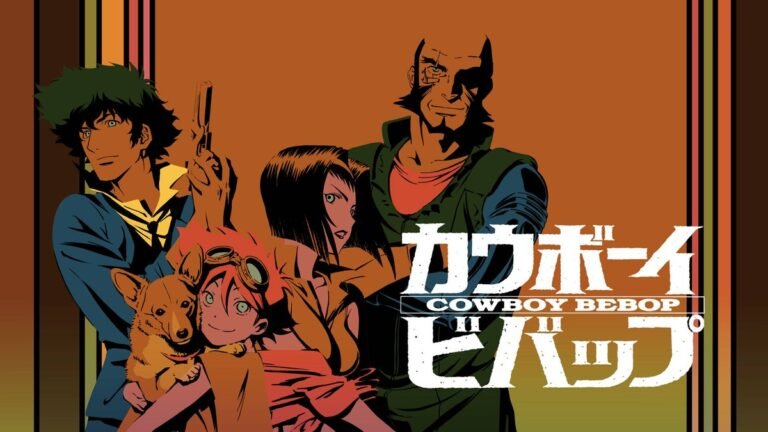
Cowboy Bebop Became the Show Every Anime Fan Recommends to People Who Don’t Watch Anime. The Reason It Works Is That It Was Never Really Made for Anime Fans in the First Place.
6 MIN READ -

The Most Devastating Thing in Spider-Man: Brand New Day Is a Sister the X-Men Movies Ignored for 60 Years.
6 MIN READ -
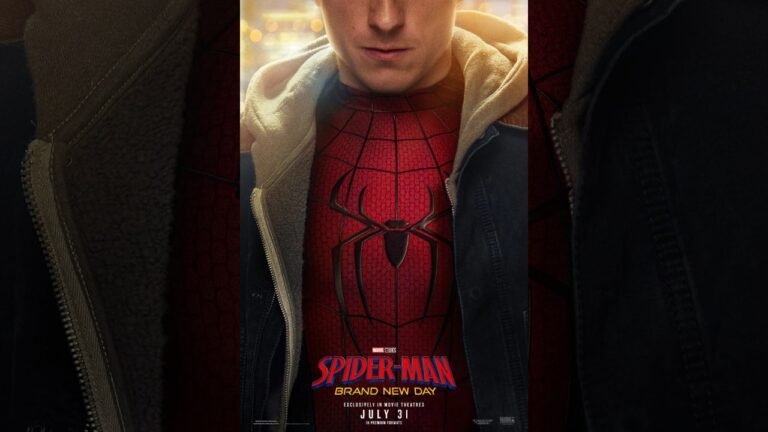
Spider-Man: Brand New Day Is Named After the Most Hated Story in Spider-Man Comics. Twenty Years Later, the Movies Just Redeemed the Name.
6 MIN READ

Co-founder and co-host. Veteran. Grew up on cartoons. The MCU brought all of it back and pulled him into the comics side he never picked up as a kid. Curious by default. Passionate without needing to prove anything. Good at holding a conversation.