5 Anime That Built the '90s. One of Them Is Going to Start an Argument.
By Jimigrimm | March 14, 2026
The 1990s didn’t just produce great anime. It produced the anime that made the entire West pay attention. And yes, we can back that up. Before this decade, anime was a niche hobby in America. Something you had to actively seek out through import VHS tapes, fan translations, and word of mouth. By the end of the ’90s, anime was on mainstream television, in toy aisles, on lunchboxes, and permanently embedded in pop culture.
That shift didn’t happen by accident. Specific shows broke through at specific moments and changed everything that came after. This isn’t a list of our favorite ’90s anime. This is the five that mattered most, backed by what they actually did to the genre, the industry, and the audience. Not ranked. Just undeniable.
Let’s get into it.
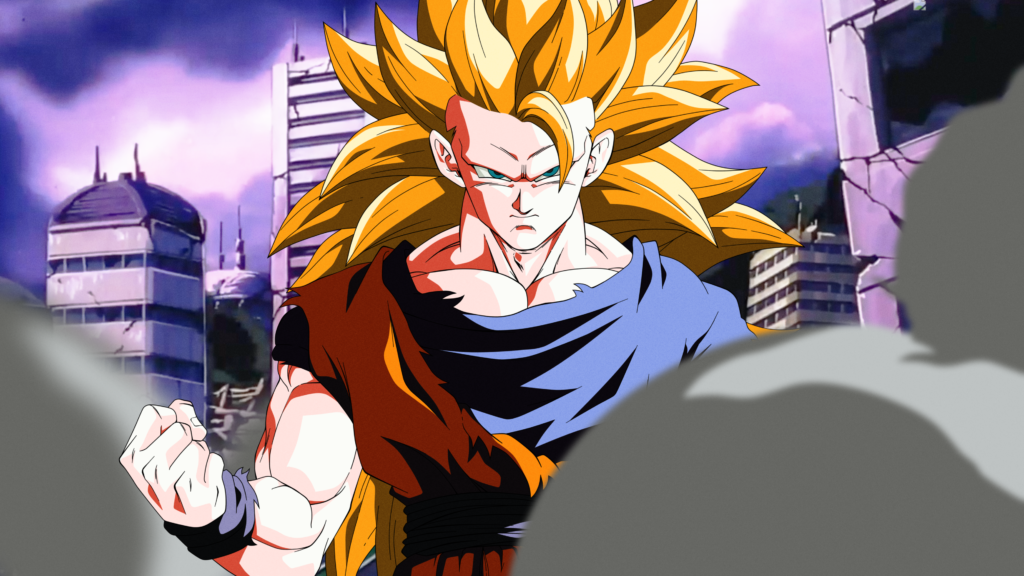
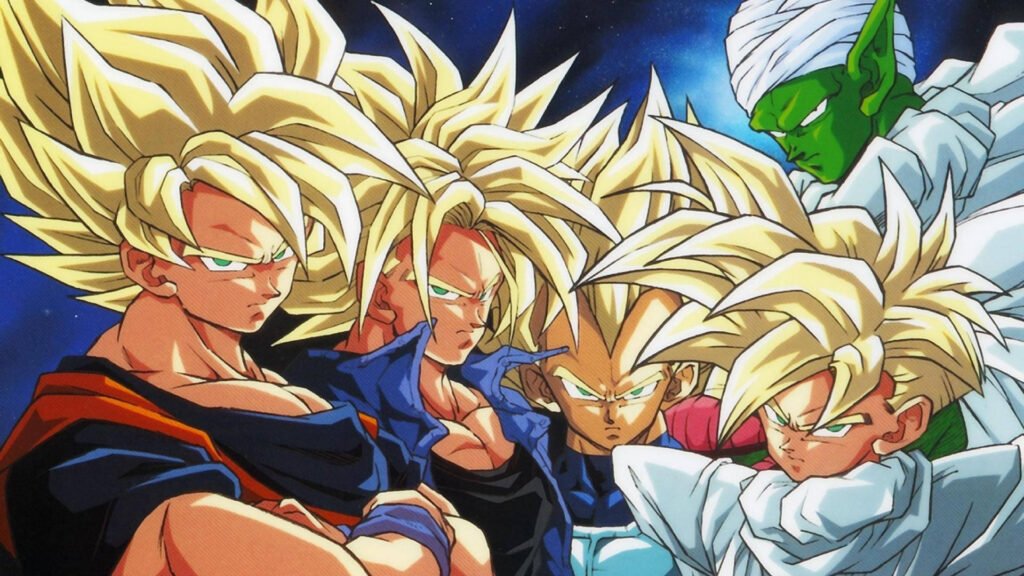
Dragon Ball Z
If anime has a front door in the West, Dragon Ball Z is the one that kicked it open.
Here’s the thing people forget. DBZ actually failed in America first. FUNimation brought it over in 1996 through syndication, and nobody cared. It got cancelled after two seasons. The show was dead on arrival in the US. Then Toonami happened. Cartoon Network started airing DBZ on its weekday afternoon block on August 31, 1998, and everything changed overnight.
Toonami put DBZ at 5pm, right when kids were getting home from school and flipping through channels. That scheduling decision sounds simple, but it built an entire generation of anime fans. By September 1999, Dragon Ball Z was the #1 show on all of cable television for boys 9-14 and men 12-24. Not the #1 anime. Not the #1 cartoon. The #1 show. It was beating broadcast network programming. A Japanese anime, on a single cable channel, was outdrawing shows on ABC, NBC, and CBS in its target demo.
DBZ didn’t just introduce America to anime. It proved there was a massive audience waiting for it. Every anime that aired on Toonami after, Gundam Wing, Sailor Moon, Rurouni Kenshin, Yu Yu Hakusho, all of them benefited from the audience that DBZ built. Without Dragon Ball Z succeeding on Toonami, the American anime industry as we know it doesn’t exist.
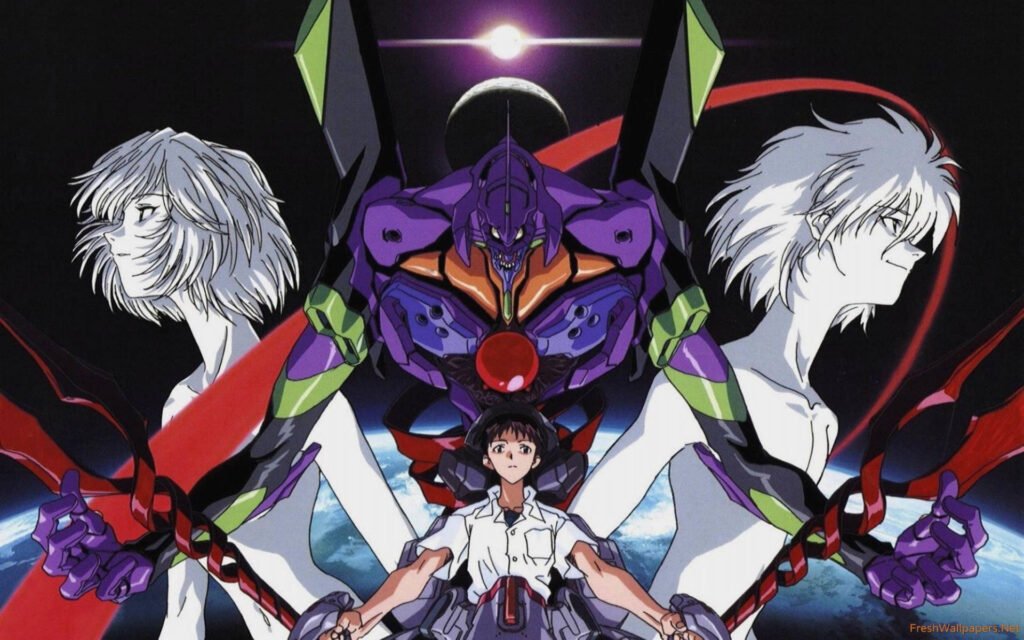
Neon Genesis Evangelion
This is the pick that separates a surface-level list from a real one.
Evangelion only aired for 26 episodes between October 1995 and March 1996. Five months. That’s it. And it permanently changed what anime could be. On the surface, it’s a show about teenagers piloting giant robots to fight monsters. But underneath that, it’s dealing with depression, abandonment, identity crisis, and the fear of letting people get close to you. Creator Hideaki Anno was going through his own battle with depression when he made this, and you can feel it in every episode.
Before Evangelion, mecha anime was mostly about cool robots and heroic pilots. After Evangelion, an entire wave of “post-Evangelion” shows popped up trying to capture that same psychological weight. It was so intense that TV Tokyo had to tighten censorship standards for anime because of the content. This show didn’t just push anime forward. It showed everyone that anime could go places Western animation wasn’t even willing to try.
If you’ve ever watched an anime that genuinely messed with your head, that had you sitting there processing something heavy after the credits rolled, Evangelion cracked that door open.
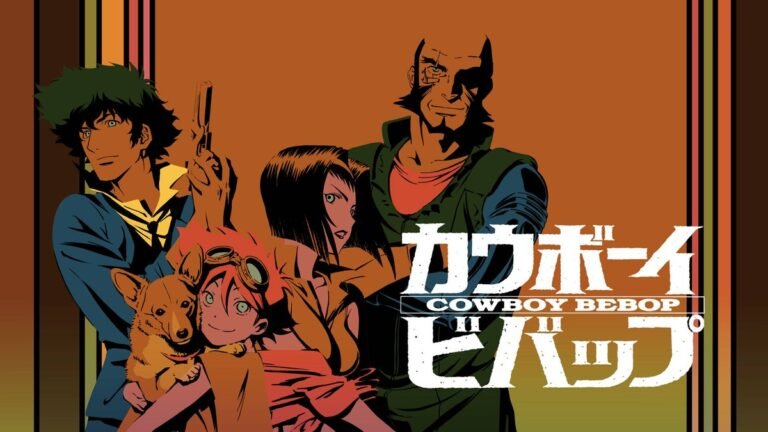
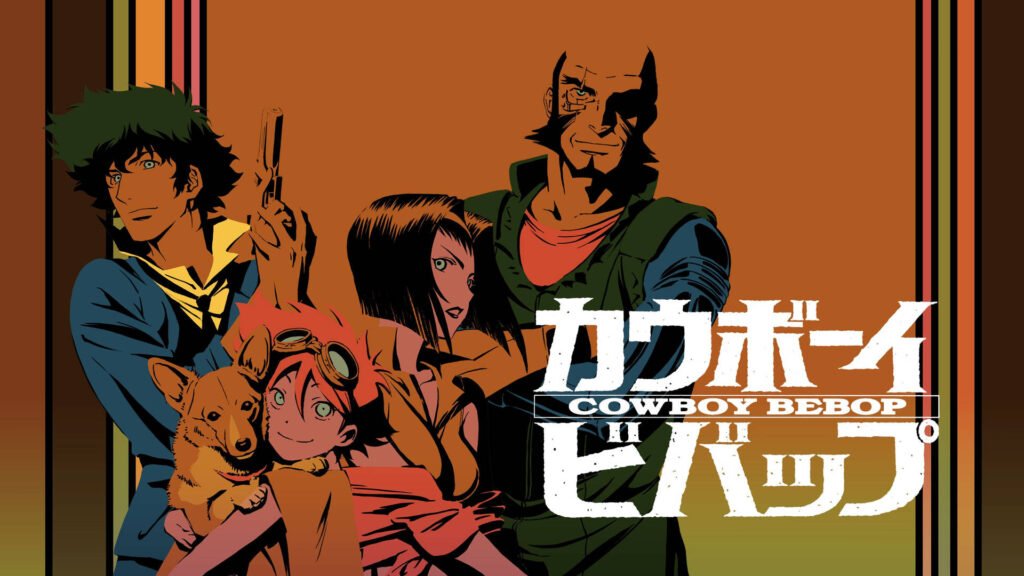
Cowboy Bebop
Cowboy Bebop is the anime that people who “don’t watch anime” end up loving. And that’s exactly why it matters.
When it first aired in Japan in 1998, it got censored so heavily that only half the episodes were broadcast. It found its real home in the West when it became the first anime to air on Cartoon Network’s Adult Swim block in September 2001. The English dub is still widely considered the gold standard. Not just for anime dubs. For any dubbed content, period.
What made Bebop different from everything else in the ’90s was that it didn’t feel like what Western audiences expected anime to feel like. The setting pulled from American Westerns, film noir, and Hong Kong action flicks. The soundtrack was jazz, blues, and rock. The stories were character-driven and mostly self-contained, more like a really good TV show than a typical anime. Director Shinichiro Watanabe built something that was designed to cross cultural borders, and it worked perfectly.
To this day, when someone says “I’ve never watched anime, where do I start?” the answer is almost always Cowboy Bebop. It’s been the gateway for over two decades. That kind of staying power matters more than any rating or sales number.
Sailor Moon
Here’s a fact that changes how you look at the entire ’90s anime wave. Before Sailor Moon, anime in America was marketed almost exclusively to boys.
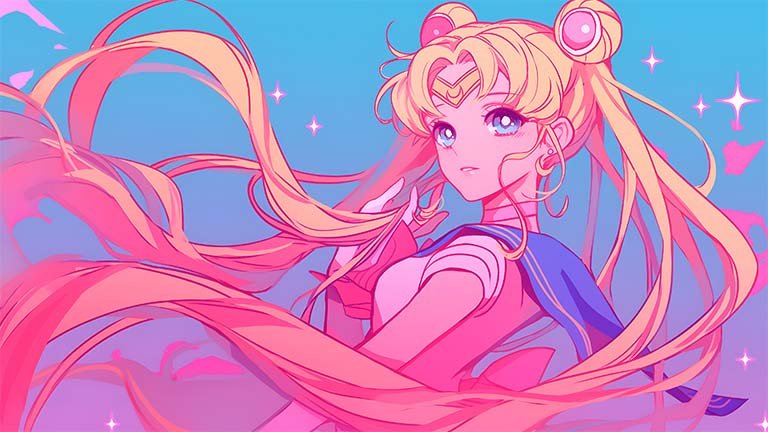
Sailor Moon changed that completely. When it hit US airwaves in 1995, it brought an audience that the industry wasn’t even targeting. Canadian librarian and anime historian Gilles Poitras literally defines an entire generation of anime fans as the ones “who were introduced to anime by Sailor Moon in the 1990s,” pointing out that they were younger than previous fans and, for the first time, mostly female. That’s not somebody’s opinion. That’s a real, documented shift in who watches anime.
The manga sold over 46 million copies worldwide. The franchise generated $2.5 billion in global merchandise sales. It was called “the biggest breakthrough” in English-dubbed anime by multiple industry sources. And its influence on Western animation is everywhere. Totally Spies, Winx Club, The Powerpuff Girls, Kim Possible. All of them owe something to Sailor Moon proving that action-driven stories with female leads could find a massive audience.
Sailor Moon aired on Toonami alongside Dragon Ball Z. Together, they didn’t just bring anime to the West. They brought it to everyone. DBZ captured the boys. Sailor Moon captured the girls. And in doing that, the potential audience for anime in America doubled overnight. You literally cannot tell the story of how anime became mainstream without both of them.
Pokemon
This is the pick that’s going to start arguments. And that’s fine. Because the data doesn’t care about arguments.
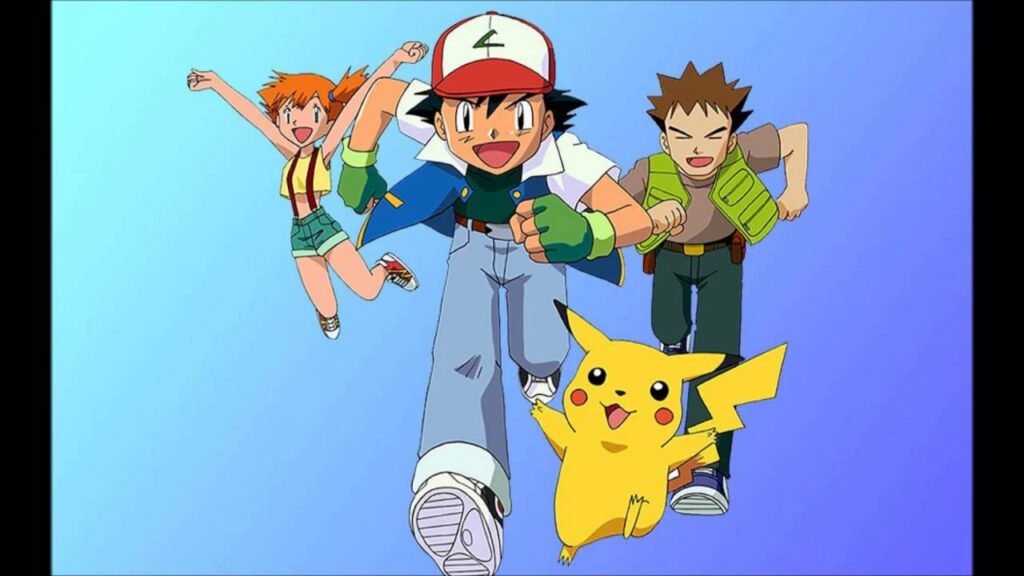
Pokemon is the highest-grossing media franchise of all time. Not the highest-grossing anime franchise. The highest-grossing media franchise. Period. Bigger than Star Wars. Bigger than Marvel. Bigger than Mickey Mouse. The anime debuted in Japan in April 1997, and the 4Kids English dub hit American airwaves in September 1998. Within months, it was inescapable. The show, the Game Boy games, the trading cards, the toys, the movies, all of it hit at once and created a cultural tidal wave that hadn’t been seen since the original Star Wars.
Now here’s the honest tension with this pick. If you’re judging Pokemon purely as a piece of anime storytelling, it’s not in the same conversation as Evangelion or Cowboy Bebop. The narrative isn’t pushing boundaries. The themes aren’t challenging. It’s a kids’ show, and it always has been. But this list isn’t about the best anime of the ’90s. It’s about the most important. And in terms of raw impact on bringing Japanese animation and culture into Western homes, nothing in the history of the medium comes close to what Pokemon did. It didn’t just open the door. It removed the wall.
If Dragon Ball Z built the anime audience in America, Pokemon made anime impossible to ignore entirely. Your parents knew what Pokemon was. Your teachers knew what Pokemon was. Kids who would never have watched a “cartoon from Japan” were watching Pokemon every single day. That reach matters, even if the show itself isn’t what hardcore anime fans point to when they talk about the art form.
Honorable Mentions
Ghost in the Shell (1995). The first anime film released simultaneously in Japan, the UK, and the US. The Wachowskis have openly confirmed it as a direct influence on The Matrix. If we’re talking about anime’s impact on Hollywood filmmaking, Ghost in the Shell is the most important film of the decade. It just didn’t have the mainstream audience reach of the main five.
Yu Yu Hakusho (1992). 112 episodes of supernatural action that built a loyal cult following and heavily influenced the battle shonen genre that dominates anime today.
Berserk (1997). Dark, violent, and uncompromising. Its influence shows up in unexpected places, from the manga Black Clover to the video game Doom Eternal. Not for everyone, but undeniably important to the medium.
Rurouni Kenshin (1996). Brought historical Japanese storytelling to Western anime fans in a way that was accessible and exciting. A Toonami staple that introduced audiences to a side of anime beyond sci-fi and fantasy.
What Did We Get Wrong?
Five picks. All backed by data, fan sentiment, and what actually happened to the industry because these shows existed. But five picks also means we left things off.
Should Ghost in the Shell be in the main five? Is there an argument for Yu Yu Hakusho over Pokemon? Did we undervalue something you grew up with?
This is your list now. Tell us what we missed in the comments.
thecomeuppodcast.com
READ NEXT