
Stop Waiting for Sony to Give Spider-Man Back. It's Not Happening.

Every time Sony drops a bad Spider-Man spinoff, the same conversation fires up online: “Just give Spider-Man back to Marvel.” Fans said it after Morbius. They said it louder after Madame Web. They practically screamed it after Kraven the Hunter limped to $62 million worldwide. And now that Sony CEO Tom Rothman has confirmed a full live-action Spider-Verse reboot, the chorus is back.

We hear you. But it’s not happening. Here’s why.

First, Let's Clear Up Who Owns What

Marvel (owned by Disney) owns Spider-Man as a character. The comics, the merchandise, the theme park rides, the TV animation, all of that belongs to Disney. When you buy a Spider-Man t-shirt, that money flows to Disney.

What Sony owns is the exclusive right to make Spider-Man movies for theatrical release. That includes Peter Parker, his villains, his supporting cast, and any character connected to the Spider-Man corner of Marvel Comics. That’s why Sony can make Venom, Morbius, and Kraven without Marvel Studios being involved.

So when fans say “give Spider-Man back,” what they really mean is “give up the movie rights.” Marvel already owns the character. Sony just controls what happens to him on the big screen.

The Rights Deal Is Ironclad

Sony acquired those film rights in 1999 for a reported $7 million while Marvel was clawing out of bankruptcy. The key detail: Sony’s ownership is perpetual as long as they release a Spider-Man film at least once every five years and nine months. There’s no performance clause. No critical score requirement. No minimum box office threshold. Sony just has to keep making movies. Even a $62 million flop like Kraven keeps the clock running. The reboot Rothman just announced? That resets the timer all over again.

The rights don’t expire because a movie is bad. They expire if Sony stops making them. And Sony will never stop making them.

Spider-Man Is Sony's Most Valuable Asset

Spider-Man: No Way Home grossed $1.921 billion worldwide, making it the highest-grossing film Sony has ever released. The Raimi trilogy brought in roughly $2.5 billion combined. The Garfield era pulled in about $1.5 billion. The Venom trilogy generated over $1.8 billion globally. All told, Spider-Man related films have cleared $8 billion in worldwide box office for Sony.

No studio walks away from that. Not now. Not ever.

Disney Already Has What It Needs

Disney already profits from Spider-Man merchandise, comics, theme parks, and animated shows. The only piece they don’t control is theatrical films, and they’ve found a workaround.

The deal first brokered in 2015 allows Marvel Studios to use Spider-Man in MCU films while Sony retains distribution rights and the majority of solo film revenue. Marvel reportedly receives only about 5% of first-dollar gross on Sony-distributed Spider-Man films. That’s a rough deal on paper, but it gives Disney something money can’t easily buy: their most popular character in their biggest franchise.

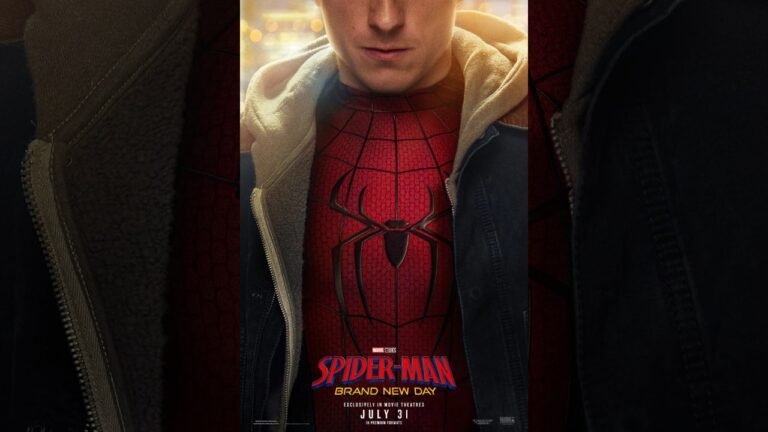
Tom Holland’s Spider-Man has appeared across Civil War, Infinity War, Endgame, three solo films, and Spider-Man: Brand New Day hits July 31, 2026. When the deal briefly collapsed in 2019 over Disney pushing for a bigger financial stake, fan backlash was so intense both sides came back to the table within weeks. The partnership works. Neither side wants to blow it up.

Selling Would Gut Sony's Film Division

Even if Disney offered billions, Sony would be gutting its most reliable franchise. They don’t have a Marvel-like universe of characters. They don’t have a Star Wars. Losing Spider-Man would leave a hole in their release calendar that no amount of Jumanji sequels can fill. Selling Spider-Man would be like a restaurant selling its kitchen.

The Deal Still Has Real Limitations

To be clear, the current partnership is far from perfect. Sony’s grip on these rights creates real creative roadblocks that fans feel constantly.

Vincent D’Onofrio himself has confirmed that Kingpin can’t appear in MCU films because of rights complications between Sony and Marvel. The character debuted in Amazing Spider-Man #50 and technically falls under Sony’s umbrella, even though fans know him as Daredevil’s arch-nemesis. D’Onofrio can play Fisk in Disney+ shows all day, but putting him in a Spider-Man movie? That requires a whole separate negotiation that hasn’t happened. We still haven’t gotten a symbiote or Venom in the MCU either.

Spider-Man can’t even appear in live-action Disney+ shows because Sony holds those long-form television rights, something Marvel’s own Head of Television, Brad Winderbaum, has publicly confirmed. Think about what that means. Spider-Man and Daredevil have been one of Marvel’s most iconic duos in the comics since 1964. They share rogues galleries, they know each other’s secret identities, and Peter Parker literally wore the Daredevil suit as a decoy to protect Matt Murdock’s identity. Marvel published a dedicated Daredevil/Spider-Man series in 2001. Chip Zdarsky’s Daredevil run has DD calling Spider-Man “the best of us.” Daredevil: Born Again Season 2 would be the most natural place in the entire MCU for a Spider-Man crossover, and Sony’s rights make that nearly impossible.

On top of all that, reports indicate that whenever Sony uses a villain in one of their spinoffs, it blocks Marvel Studios from using that character. Every bad SSU movie doesn’t just waste a character on screen, it potentially takes them off the table for the MCU.

The frustration is valid. But the alternative still isn’t Sony handing the rights back. It’s Sony making better decisions with the rights they have, stopping the spinoffs that damage the brand, and giving Marvel Studios more room to work within the partnership.

The Reality

Sony paid for these rights. Sony has made billions from these rights. And as long as they keep producing films, those rights aren’t going anywhere. The best fans can hope for is what we already have: a strong Marvel Studios partnership and a Sony that finally stops forcing spinoffs nobody asked for.

thecomeuppodcast.com

Leave a Reply

Your email address will not be published. Required fields are marked *