
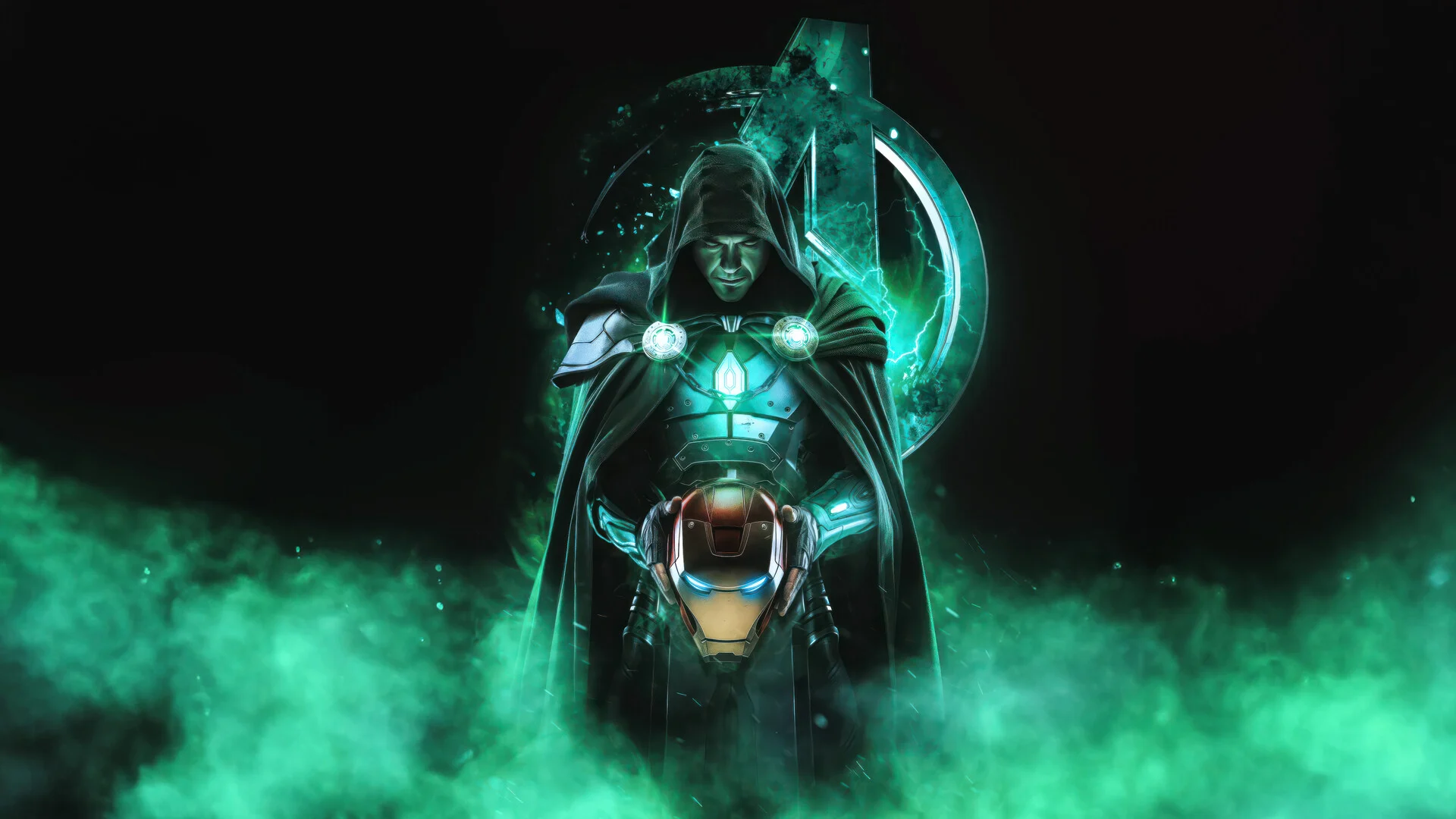
Why Does Avengers: Doomsday Feel Different From Every Avengers Movie Before It?
By Jimigrimm | February 24th, 2026
We’ve had four Avengers movies before this one. We’ve had team-ups, crossovers, snap-level events, and a decade of buildup that turned the MCU into the biggest franchise in film history. We’ve been through this before.
So why does Avengers: Doomsday feel like something we haven’t seen?
It’s hard to put into words, but something about this movie seems different. The trailers feel different. The marketing feels different. The energy around it feels different. And if you’ve been paying attention, you can feel it too. Let’s talk about why.
The Face of the MCU Is Now the Villain
Start with the obvious one. Robert Downey Jr. is back. Not as Tony Stark. As Doctor Doom.
That sentence alone would have sounded insane two years ago. The man who launched the entire MCU in 2008, who carried the franchise on his back for over a decade, who gave us one of the most emotional deaths in blockbuster history, is now playing the big bad. This isn’t like recasting a role. This is Marvel taking the actor most associated with the MCU’s soul and turning him into its greatest threat.
Thanos was terrifying because of what he believed. But the audience had no personal attachment to Josh Brolin before Infinity War. Downey as Doom? That’s a whole different psychological layer. Whether you think it’s genius or desperate, you can’t ignore it. And that tension, that uncertainty about whether this will land, is part of what makes Doomsday feel like uncharted territory.
The Russos Came Back for a Reason
Joe and Anthony Russo directed four of the most successful MCU films ever made. Winter Soldier, Civil War, Infinity War, Endgame. After Endgame, they walked away. They said they were done.
Now they’re back. And that means something.
Filmmakers don’t come back to a franchise like this unless they believe there’s a story worth telling. The Russos have said publicly that Secret Wars was the story that pulled them back in. They’ve talked about Doomsday and Secret Wars as a connected two-part story, the same playbook as Infinity War and Endgame, and Secret Wars is already in pre-production while Doomsday finishes. That approach gave us the most ambitious two-film event in superhero history. The fact that they’re running it again, with even more pieces on the board, should tell you how seriously they’re treating this.
The Marketing Didn't Look Like Marvel Marketing, and It Worked
Every previous Avengers movie gave us a big, bombastic trailer full of money shots and quippy one-liners. Doomsday’s rollout started as the complete opposite. Four separate teasers, debuting exclusively in theaters before Avatar: Fire and Ash over four consecutive weeks, each focused on a single character or group. Steve Rogers riding home to a farmhouse and cradling a newborn. Thor kneeling in a forest, praying to Odin about fatherhood. The Fox X-Men back in comic-accurate costumes, Marsden’s Cyclops finally in the Jim Lee suit. Shuri and M’Baku meeting Ben Grimm.
No huge action sequences. No villain reveal. No traditional trailer structure at all.
Get the history behind the stories.
One email a week. Read it before it hits the feeds.
Some fans loved it. Some thought it was boring. Here’s the receipt: the four teasers pulled a combined 1.02 billion views, all organic, no Super Bowl slot, no broadcast tie-in. The Russos described the teasers as “narrative information,” micro-stories that feed into the larger film, and the audience treated them exactly that way.
Then came the payoff. In April, the first full trailer premiered at CinemaCon and finally put Downey’s Doom on screen, green hood, metal face, an invasion of the multiverse. Marvel held the villain back for four months of slow burn and then cashed in the reveal. They treated Doomsday less like a summer blockbuster and more like an event that demands patience, and the bet paid off. Marvel has never marketed an Avengers movie this way.
This Isn't Just a Team-Up. It's Everyone.
Infinity War felt massive because it brought the Avengers, the Guardians, Doctor Strange, and Spider-Man together for the first time. Doomsday is operating on a completely different scale.
The confirmed cast includes the core Avengers, the Fantastic Four, the Thunderbolts (now essentially the New Avengers), the Wakandans, and the Fox X-Men. Patrick Stewart, Ian McKellen, James Marsden, Kelsey Grammer, Alan Cumming, Rebecca Romijn, and Channing Tatum are all reprising their roles. Chris Evans is back as Steve Rogers, confirmed by the very first teaser. Tom Hiddleston’s Loki is in the mix. This is a movie where characters from entirely separate film franchises are sharing the screen for the first time.
Infinity War assembled the MCU. Doomsday is assembling Marvel.
The Stakes Feel Bigger Than the Movie Itself
Here’s maybe the biggest reason Doomsday feels different. With Infinity War, we knew the MCU would continue. The question was how. With Doomsday, the question is whether the MCU as we know it survives at all.
Feige has been clear that Secret Wars will serve as a “reset” for the franchise. Not a reboot. A reset into a singular timeline. That means Doomsday isn’t just the next chapter. It’s the beginning of the end of everything the Multiverse Saga has built. Characters we’ve followed for years might not exist on the other side.
For the first time, the stakes aren’t just about whether the heroes win. They’re about whether the MCU itself transforms into something entirely new. That’s a tension that Infinity War never had to carry.
It Feels Like a Make-or-Break Moment
Let’s be real. The MCU has been through a rough stretch. The Multiverse Saga has been inconsistent. Audience fatigue set in. Box office numbers dipped. Projects like Quantumania and Secret Invasion underperformed critically and commercially. The original Kang storyline collapsed entirely. For a while, it felt like the MCU had lost its momentum.
Doomsday is Marvel’s answer to all of that. It’s the movie that has to prove the franchise still has the ability to deliver an event that matters. And you can feel that weight in everything about how it’s being handled. The careful marketing. The stacked cast. The Russos coming out of retirement. The decision to bring back Downey in a role that could either be the boldest creative swing in MCU history or the most criticized.
There’s a version of this where Doomsday reignites the franchise the way Infinity War did in 2018. And there’s a version where it doesn’t. That uncertainty? That’s what makes this feel different. The MCU has never gone into an Avengers movie with this much riding on it and this much to prove.
So What Is It?
Maybe it’s the marketing. Maybe it’s Downey as Doom. Maybe it’s the X-Men finally standing alongside the Avengers. Maybe it’s the fact that, for the first time, we genuinely don’t know what the MCU looks like on the other side of this.
Whatever it is, Avengers: Doomsday doesn’t feel like Infinity War. It doesn’t feel like Endgame. It doesn’t feel like any Avengers movie we’ve had before.
And honestly? That might be exactly what the MCU needs right now.
Avengers: Doomsday hits theaters December 18, 2026. So tell us. Does this one feel different to you too, or is it just expensive nostalgia until proven otherwise? Which teaser got you, Steve with the baby, Thor’s prayer, the X-Men suits, or did none of them land? And the big one: is Downey as Doom the boldest move Marvel has ever made or the most desperate? Pick a side in the comments. We’ll all find out together in December.
MORE LIKE THIS
-
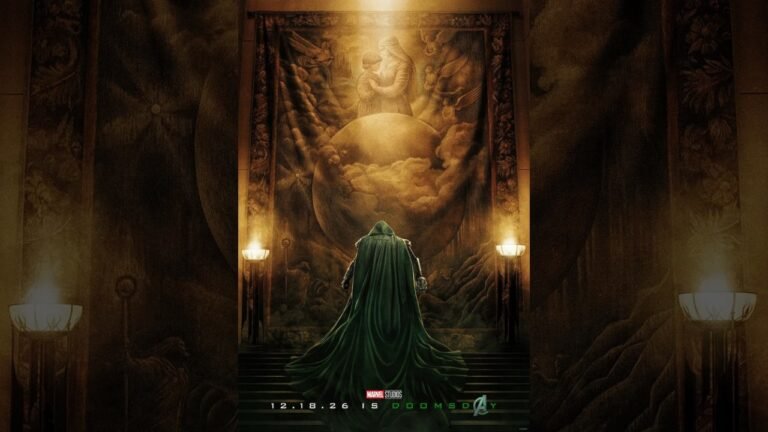
Fans Found Tony Stark’s Snap on Doctor Doom’s Wall. Then Comic-Con Kept Pointing the Same Direction.
10 MIN READ -
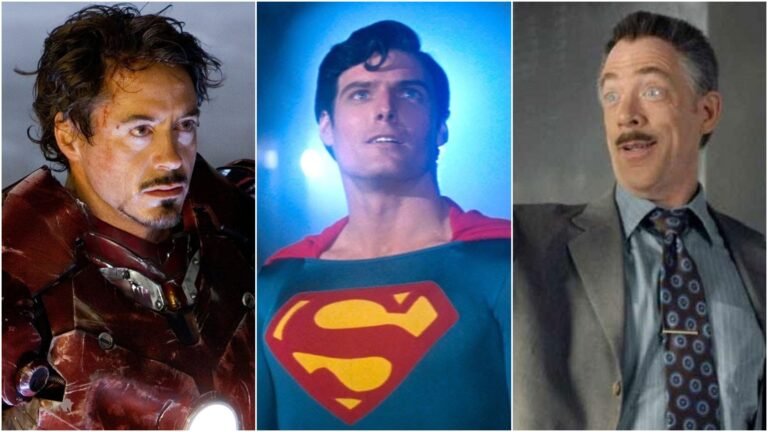
5 Comic Book Castings That Changed the Genre Forever. But One Name Didn’t Even Need the List.
6 MIN READ -
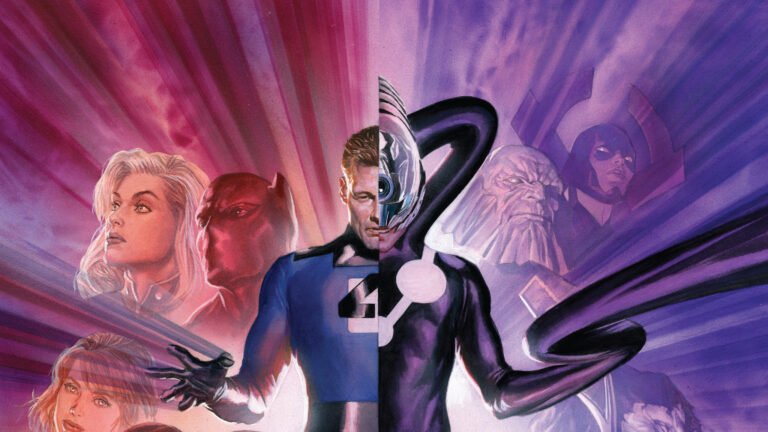
5 Things the MCU Will Change From the Secret Wars Comic (And Why That’s a Good Thing)
6 MIN READ
Co-founder and co-host. Veteran. Grew up on cartoons. The MCU brought all of it back and pulled him into the comics side he never picked up as a kid. Curious by default. Passionate without needing to prove anything. Good at holding a conversation.