
Did the MCU Peak with Endgame? Infinity Saga vs Multiverse Saga Explained
Did the MCU peak with Avengers Endgame? We compare box office, star power, and storytelling between the Infinity Saga and Multiverse Saga. Read the full breakdown.
By Jimigrimm | February 9, 2026
Did the MCU Peak with Endgame? Infinity Saga vs Multiverse Saga Explained
Let’s be real. You’ve had this argument. Maybe at a watch party. Maybe in a group chat. Maybe with yourself at 2 AM scrolling through Disney+.
- Did the MCU Peak with Endgame? Infinity Saga vs Multiverse Saga Explained
- Did the MCU Peak with Endgame? Infinity Saga vs Multiverse Saga Explained
- Table of Contents
- Box Office Comparison: Infinity Saga vs Multiverse Saga
- The Infinity Saga Had a North Star. The Multiverse Saga Has a Compass That Keeps Spinning.
- Why the Multiverse Saga Lost Its Star Power After Endgame
- The Kang Problem: Why Marvel Pivoted to Doctor Doom
- Should Mutants Have Come Earlier? The Fox Merger Timeline Explained
- Nostalgia vs Reality: Was Phase 2 Actually Good?
- The Rebuild Phase Theory: Why the MCU Feels Different (And Why That’s Okay)
- Can Avengers: Doomsday Save the MCU?
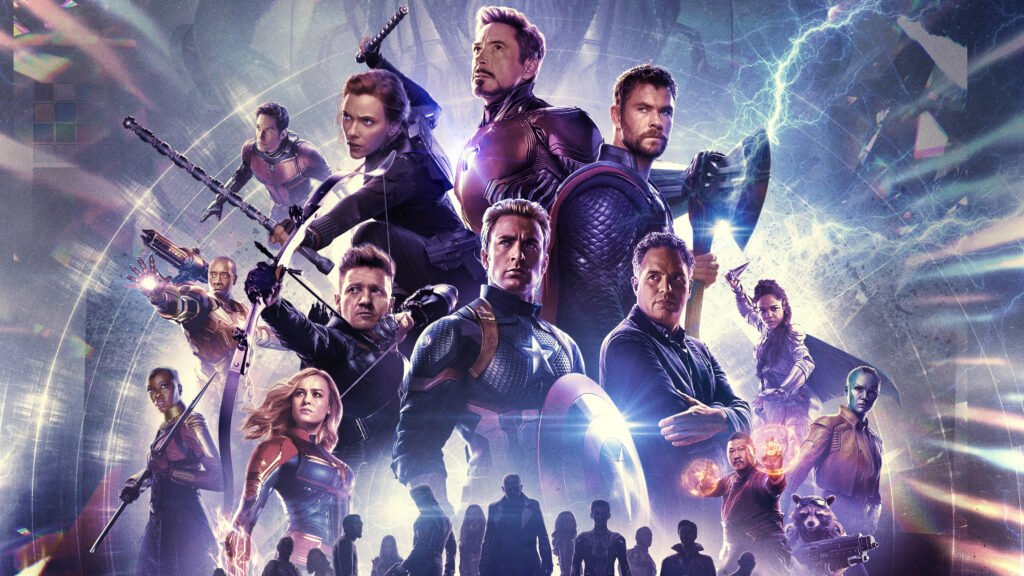
Did the MCU peak with Avengers: Endgame?
The Infinity Saga vs Multiverse Saga debate isn’t going away. And whether you call it MCU fatigue, Phase 4 problems, or just post-Endgame decline, the numbers and the vibes tell a story.
Here’s my answer: Yes, the MCU peaked with Endgame. But no, that doesn’t mean the Multiverse Saga failed. And it definitely doesn’t mean Marvel can’t build another peak.
Let me explain.
Table of Contents
- The Box Office: Infinity Saga vs Multiverse Saga
- Direction and Storytelling Comparison
- Star Power After Endgame
- The Kang Problem
- Should Mutants Have Come Earlier?
- Nostalgia vs Reality
- The Rebuild Phase Theory
- Can Doomsday Save the MCU?
Box Office Comparison: Infinity Saga vs Multiverse Saga
Let’s look at the numbers, because numbers don’t lie even if they don’t tell the whole truth.
Infinity Saga Box Office Anchors
(source: Box Office Mojo, The Numbers)
- Avengers: Endgame: $2.798 billion
- Avengers: Infinity War: $2.048 billion
- The Avengers: $1.519 billion
- Black Panther: $1.347 billion
- Iron Man 3: $1.215 billion
Multiverse Saga Box Office Anchors
(source: Box Office Mojo, The Numbers)
- Spider-Man: No Way Home: $1.921 billion
- Deadpool & Wolverine: $1.338 billion
- Doctor Strange in the Multiverse of Madness: $955 million
- Black Panther: Wakanda Forever: $859 million
- Guardians of the Galaxy Vol. 3: $845 million
Here’s what jumps out: No Way Home and Deadpool & Wolverine are the only post-Endgame films that cracked the billion-dollar club with any real authority. Everything else is solid but not spectacular by MCU standards.
But context matters. No Way Home had Tobey and Andrew. Deadpool & Wolverine had Hugh Jackman back as Wolverine and rode an R-rated nostalgia wave. The films that worked best were the ones that leaned into what came before, not what came next.
And here’s the other piece of context that matters: the Multiverse Saga hasn’t had a proper Avengers team-up film yet. The Infinity Saga had four. Avengers: Doomsday and Avengers: Secret Wars will be the first true Avengers events of this era, and those are the films that historically do the biggest numbers.
So yeah, the box office is down. But we’re also comparing solo films to a saga that had multiple team-up events.
That tells you something about where audiences are emotionally, but it doesn’t tell you everything.
The Infinity Saga Had a North Star. The Multiverse Saga Has a Compass That Keeps Spinning.
The Infinity Saga was simple. Thanos is coming. The Stones matter. Everything connects.
Even when a movie felt standalone, like Ant-Man or Doctor Strange, you knew it was feeding into something bigger. You knew the Avengers would assemble. You knew the stakes would escalate. You trusted the plan.
The Multiverse Saga doesn’t have that same clarity.
Is it about the multiverse collapsing? Is it about Kang? Is it about setting up the Young Avengers? Is it about mutants? Is it about all of it at once?
The answer seems to be yes, and that’s the problem. When everything matters, nothing feels urgent.
That said, when the Multiverse Saga locked in, it locked in. Loki gave us the best character work Marvel has done since Endgame. WandaVision was bold and weird and emotional. No Way Home made a billion people cry over three Spider-Men hugging it out.
The highlights are genuinely great. But they feel like highlights, not chapters in a clear story.
Why the Multiverse Saga Lost Its Star Power After Endgame
The Infinity Saga had Robert Downey Jr.
I’m not saying he carried the whole thing. But Tony Stark was the emotional center. When he showed up in Homecoming or Civil War, it mattered. When he wasn’t there, you felt his absence.
Chris Evans as Cap was the moral center. Scarlett Johansson as Natasha was the glue. Chris Hemsworth as Thor evolved into the heart. These weren’t just characters. They were anchors.
The Multiverse Saga lost all of them in one swoop.
And the new roster? It’s talented. Tom Holland is great. Florence Pugh is great. Simu Liu, Hailee Steinfeld, Iman Vellani, all great.
But they haven’t had time to become anchors yet. And Marvel hasn’t committed to making any of them the next Tony Stark or Steve Rogers. It feels like Marvel is hedging, spreading the love across 30 characters instead of building three or four into icons.
That’s a choice. Maybe it’s the right long-term choice. But short-term? It makes everything feel less important.
The Kang Problem: Why Marvel Pivoted to Doctor Doom
Let’s talk about Kang.
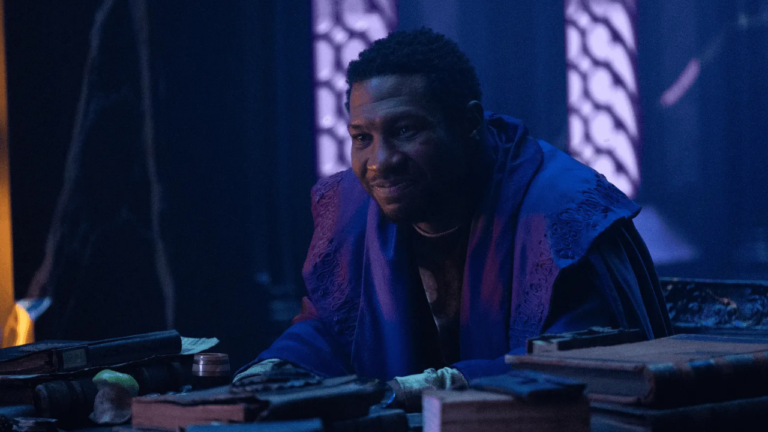
Jonathan Majors was incredible in Loki. He was menacing in Quantumania. The setup was there. Kang was supposed to be the next Thanos.
But here’s where it gets messy, and I’m going to be careful here because we’re separating facts from speculation.
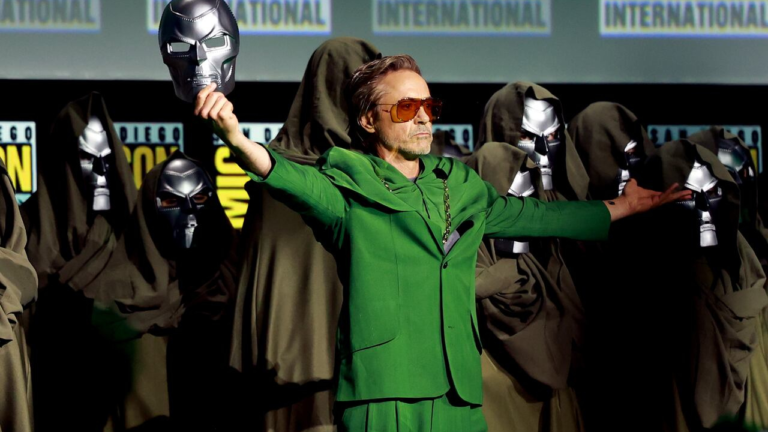
What we know for sure: Majors was cast as Kang. The fifth Avengers movie was titled The Kang Dynasty. Majors faced legal issues in 2023. Marvel dropped him. The movie was retitled Avengers: Doomsday with Robert Downey Jr. returning as Doctor Doom.
What we can interpret: That’s a massive pivot. You don’t scrap your big bad and replace him with a completely different character unless you’re either reacting to a crisis or you were never fully confident in the plan to begin with.
Get the history behind the stories.
One email a week. Read it before it hits the feeds.
Maybe both are true.
But here’s the thing. Whether Kang was ever going to work or not, the perception is that Marvel didn’t commit. And in franchise storytelling, perception is half the battle.
Thanos was teased for six years before Infinity War. We saw him. We feared him. We knew he was coming.
Kang showed up, got beat by ants, and then disappeared from the conversation.
That’s not entirely Marvel’s fault. But it’s also not entirely not their fault.
Should Mutants Have Come Earlier? The Fox Merger Timeline Explained
One complaint you hear a lot: Marvel should have introduced mutants and the X-Men already. Phase 4 and Phase 5 feel empty without them. If the MCU had its A-team back, the Multiverse Saga wouldn’t feel so scattered.
I get it. The X-Men are huge. They’re emotionally resonant. They’re built for the kind of ensemble storytelling the MCU does best.
But here’s the thing people forget: Marvel couldn’t use mutants until recently.
The Disney-Fox merger closed on March 20, 2019. That’s two months before Endgame hit theaters. Marvel legally could not put mutants in their films before that date. Fox owned the rights. That was the deal.
So could mutants have shown up in Phase 4? Technically, yes. But realistically? No.
Films take years to develop. Scripts, casting, production, post-production. Even if Kevin Feige started working on an X-Men project the day the merger closed, it wouldn’t have been ready until 2023 at the earliest.
And that assumes Marvel wanted to rush it. Which they shouldn’t.
The X-Men deserve a proper introduction. They’re not side characters you drop into someone else’s movie. They’re a franchise unto themselves. Marvel knows this. That’s why they’re taking their time.
Could Marvel have teased mutants sooner? Maybe. A post-credits scene. A throwaway line. Something to let audiences know they’re coming.
But the idea that Phase 4 should have had a full X-Men movie? That was never possible. The timeline doesn’t support it.
Nostalgia vs Reality: Was Phase 2 Actually Good?
Here’s a question worth asking: Was the Infinity Saga actually perfect, or does it just feel that way now because we know how it ends?
Let’s be honest. Phase 2 was rough.
Iron Man 3 divided fans. Thor: The Dark World is widely considered the worst MCU film. Age of Ultron was overstuffed and underwhelming. Even Ant-Man, which is fun, felt small and inconsequential at the time.
People complained about Marvel fatigue back then too. They said the MCU was losing direction. They questioned whether Marvel could keep it going.
And then Civil War happened. Then Ragnarok. Then Infinity War. Then Endgame.
Suddenly, Phase 2 made sense. The pieces fit. The setup paid off. Those messy middle movies became chapters in a larger story that worked.
So maybe the Multiverse Saga isn’t worse. Maybe it’s just unfinished.
Eternals might matter more once Celestials show up in a future Avengers film. The Marvels might land better in retrospect if Captain Marvel plays a major role in Secret Wars. Quantumania introduced the multiverse mechanics that Doomsday will build on.
We don’t know yet. And that’s the point.
Nostalgia makes the Infinity Saga feel inevitable. But it wasn’t. It was messy in the middle. It stumbled. It took risks that didn’t all pay off.
The Multiverse Saga deserves the same patience we gave Phase 2 before judging it too harshly.
The Rebuild Phase Theory: Why the MCU Feels Different (And Why That’s Okay)
Here’s a sports analogy that might help make sense of where the MCU is right now.
The Infinity Saga was a dynasty. You had your core stars, your system, your championship wins. Everything clicked. You went from contender to champion to legend.
Then the dynasty ended. Your stars retired. Your system aged out. You had to rebuild.
That’s where the Multiverse Saga is. It’s the rebuild phase.
And rebuild phases are messy. You’re testing new players. You’re trying new strategies. Some work, some don’t. The wins don’t come as easily. The losses sting more.
But that doesn’t mean you’re failing. It means you’re building toward the next championship run.
The MCU is introducing new characters who will become the next generation of anchors. They’re experimenting with new tones and genres. They’re setting up storylines that will pay off in 2026, 2027, and beyond.
Is it as tight as the Infinity Saga? No. But it’s also trying to do something harder.
The Infinity Saga had one goal: build to Thanos. The Multiverse Saga has to introduce mutants, reboot the Fantastic Four, establish new Avengers, pivot from Kang to Doom, and stick the landing on Secret Wars.
That’s a lot. And yeah, it’s been uneven. But uneven doesn’t mean doomed.
Dynasties don’t rebuild by playing it safe. They rebuild by taking risks, learning from failures, and trusting the process.
The MCU is in that process right now. And if Doomsday and Secret Wars deliver, we’ll look back on Phase 4 and Phase 5 the same way we look back on Phase 2.
Not perfect. But necessary.
Can Avengers: Doomsday Save the MCU?
Let’s be real. Everything hinges on Doomsday.
Avengers: Doomsday drops December 18, 2026. It’s the first Avengers film since Endgame. Robert Downey Jr. is back as Doctor Doom. The Russo Brothers are directing. Marvel is betting everything on this working.
If it works, the Multiverse Saga gets redeemed. All the setup, all the scattered pieces, all the Phase 4 and Phase 5 stumbles suddenly make sense because they were leading here.
If it doesn’t work, the MCU has a serious problem.
But here’s what gives me hope: Marvel has stuck the landing before.
Civil War saved Phase 2. Infinity War justified a decade of buildup. Endgame closed out an 11-year saga in a way that felt earned.
The Russo Brothers know how to do this. Robert Downey Jr. understands the assignment. And if anyone can make Doctor Doom feel as inevitable as Thanos, it’s Kevin Feige.
The pieces are there. The cast is stacked. The Fantastic Four, the X-Men on the horizon, the multiverse collapsing, Doom ascending. It’s all building to something.
Can Doomsday save the MCU? Maybe. But more importantly, can it build a new peak?
That’s the real question. And we’ll have our answer in December 2026.
Co-founder and co-host. Veteran. Grew up on cartoons. The MCU brought all of it back and pulled him into the comics side he never picked up as a kid. Curious by default. Passionate without needing to prove anything. Good at holding a conversation.