5 Anime That Owned the 2000s. Each One Pulled In an Audience That Didn't Exist Before It.
By Jimigrimm
The ’90s proved anime could have a mainstream audience in the West. The 2000s proved that audience could grow in every direction at once.
Toonami and Adult Swim were running. Fansubs and early internet forums meant fans didn’t have to wait for TV broadcasts anymore. Crunchyroll launched in 2006. And the shows that defined this decade didn’t just reach the audience the ’90s had built. Each one expanded it into new territory. Different demographics. Different platforms. Different reasons for watching.
The ’90s brought anime to kids after school and skeptical adults through gateway shows. The 2000s went further. It pulled in the internet generation, the forum debaters, the kids who discovered anime through illegal downloads and then became its most passionate defenders. Every show on this list found people who weren’t already watching anime and gave them a reason to start.
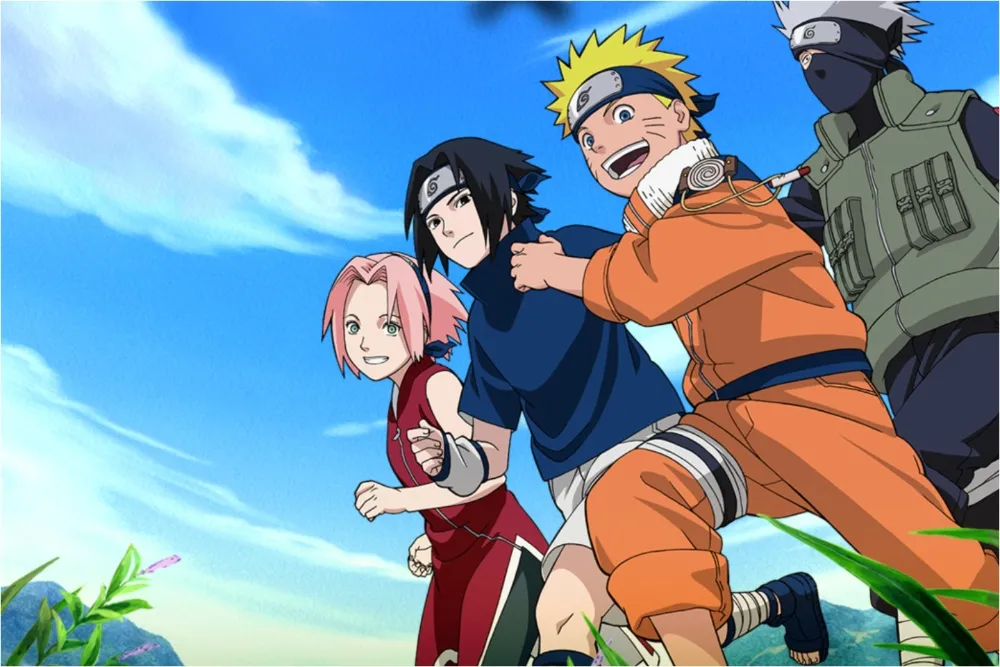
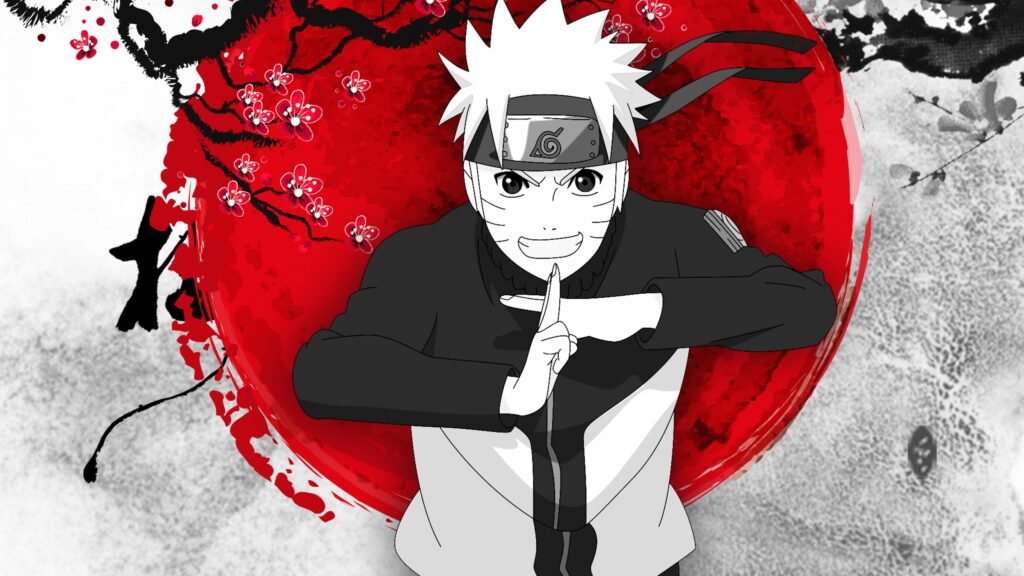
Naruto: The Internet Generation
If Dragon Ball Z was the anime that found its audience through TV, Naruto was the anime that found its audience through the internet. That distinction matters more than people realize.
Naruto debuted in Japan in 2002 and hit Toonami in 2005. It was huge on television. But what made it different from everything before it was how it spread online. Fansubs flew around forums and file-sharing sites faster than any official broadcast could keep up with. Episode discussions exploded on early internet communities. Fan theories, character debates, AMVs, all of it created a feedback loop that made Naruto feel like a living community, not just a show you watched.
The manga moved over 250 million copies worldwide. According to TheToyZone, Naruto is the most popular kids’ TV show in 83 countries. The Naruto Run became a real-world meme that spawned organized events. But the audience it captured was specific. This was the generation that grew up online. They discovered Naruto through forums, through friends sending links, through YouTube clips. They didn’t need Toonami to tell them what to watch. They found it themselves and then told everyone they knew.
Naruto also connected deeply with minority communities in the West. The underdog story of a kid rejected by his entire village who fights his way to becoming its leader resonated with Black and Latino audiences in a way earlier anime hadn’t reached. That cross-cultural connection expanded anime’s audience beyond the demographic it had traditionally served.
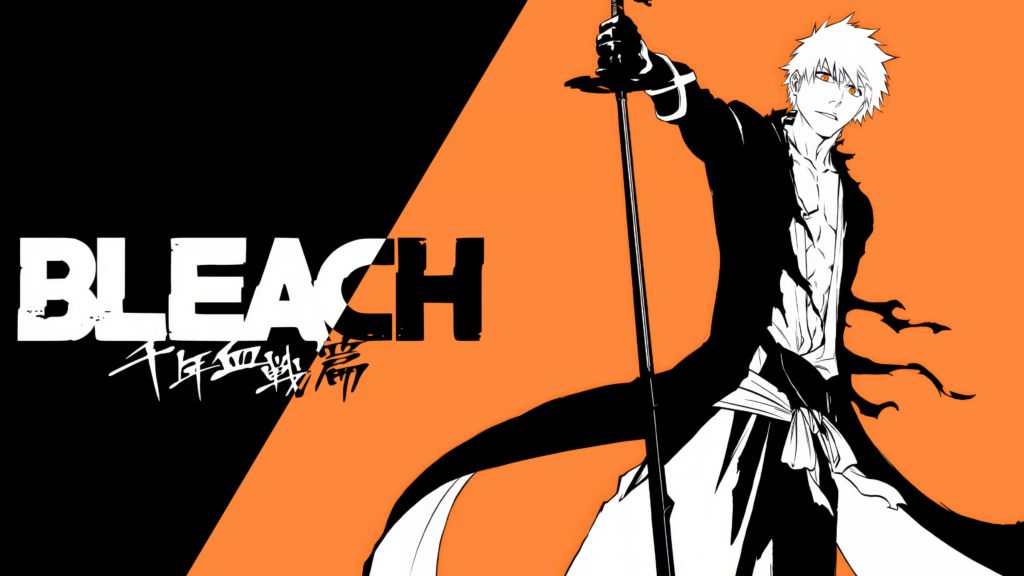
Bleach: The Aesthetic Crowd
Bleach is here because of something it brought to the table that no other anime in the 2000s was offering: style.
The show debuted in 2004 and became a staple on Adult Swim. Ichigo Kurosaki’s entry into the Soul Society is widely regarded as one of the best arcs in shonen history. But what pulled in viewers who weren’t already sold on battle anime was how Bleach looked and felt. The character designs were sharp. The Zanpakuto releases were visually distinct. Tite Kubo drew his fights with a fashion sense and atmospheric control that nothing else in the genre was matching.
Bleach attracted fans who cared about visual identity. People who picked up the manga because the cover art looked cool. Viewers who might not have clicked on another shonen show but couldn’t look away from Bleach’s presentation. It brought in the audience that wanted anime to feel sleek, not just powerful.
The series struggled in its later arcs, and that hurt its long-term legacy compared to Naruto and One Piece. But when the Thousand-Year Blood War adaptation dropped in 2022, fans who had been waiting over a decade showed up immediately. That loyalty was built in the 2000s, and it was built on style as much as story.
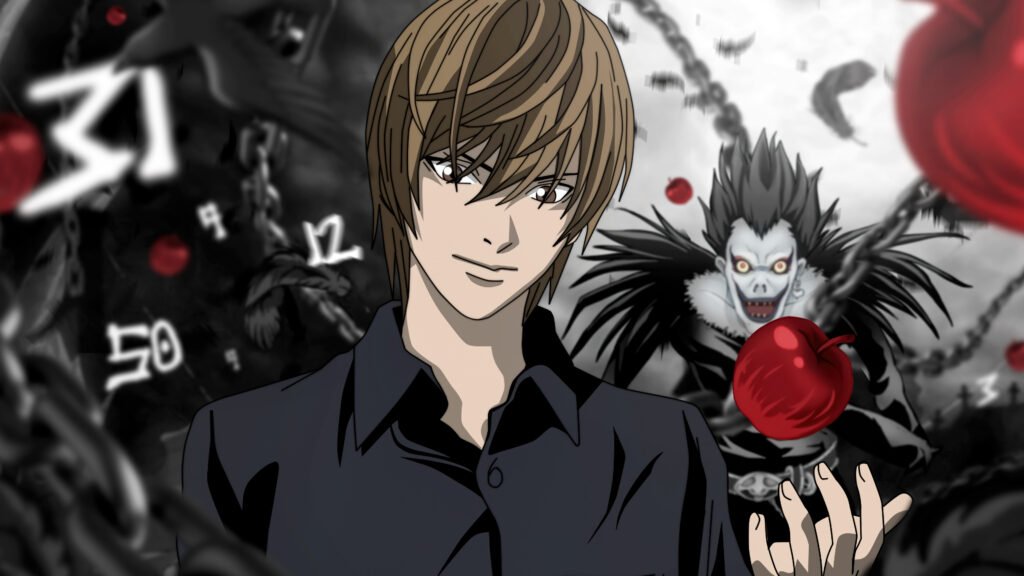
Death Note: The "I Don't Watch Anime" Crowd (Again)
Cowboy Bebop owned this role in the ’90s. In the 2000s, Death Note took it and arguably still holds it today.
The premise is simple. A genius high schooler finds a notebook that kills anyone whose name is written in it. He decides to play god. A mysterious detective tries to stop him. What follows is 37 episodes of psychological chess that has nothing to do with fights, transformations, or power levels.
Death Note pulled in viewers who had zero interest in shonen anime. People who watched crime dramas and thrillers. People who would have scrolled right past Naruto or Bleach on a channel guide. It proved that anime could deliver the same tension as the best live-action writing, and it reached an audience that had never considered animation as a medium for that kind of storytelling.
It’s still one of the first recommendations for people who’ve never watched anime. The fact that it’s held that position for nearly 20 years tells you everything about what it did for the audience.
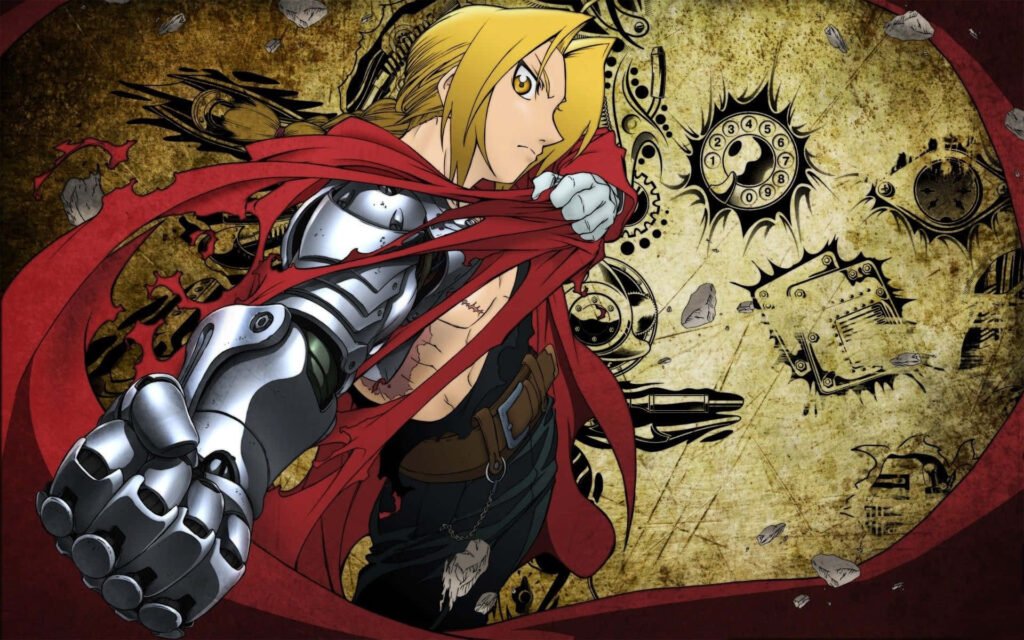
Fullmetal Alchemist: The Storytelling Purists
Fullmetal Alchemist hit Adult Swim in 2004 and brought in fans who cared about narrative craft above everything else.
Two brothers try to use alchemy to bring their dead mother back. It goes catastrophically wrong. The rest of the series follows their search for redemption. The 2003 anime diverged from the unfinished manga and told its own version. Brotherhood (2009) came back and adapted the complete story. Brotherhood is currently the #1 rated anime on MyAnimeList. Out of every anime ever made, the community consistently puts it at the top.
FMA reached the audience that wanted anime to deliver complete, emotionally devastating stories with real consequences. No filler arcs stretching things out. No character deaths that get reversed two episodes later. Choices matter. People die and stay dead. For viewers who were tired of shonen shows pulling their punches, FMA was proof that anime could commit to its own stakes.
Between the two versions, FMA created a standard that “serious anime fans” measure everything against. That audience, the ones who care about writing and structure and payoff, FMA is how many of them got here.
One Piece: The Global Audience America Almost Missed
This is the pick that starts the argument. And the argument is exactly why it matters.
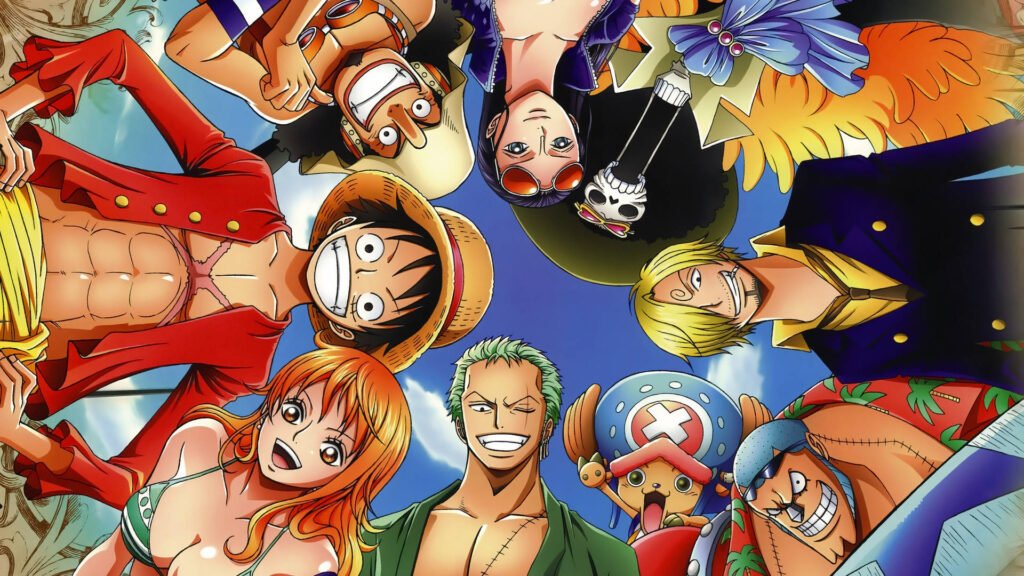
One Piece is the best-selling manga of all time. Over 500 million copies. More than Naruto. More than Dragon Ball. More than Batman comics. In Japan, across Asia, Latin America, and Europe, One Piece isn’t just popular. It’s the standard.
But in America during the 2000s, it was practically invisible.
The 4Kids English dub that aired from 2004 to 2007 was so heavily censored and poorly localized that it became a joke. Cigarettes turned into lollipops. Entire arcs were cut. One of the most emotionally complex anime ever made was turned into something unrecognizable. American audiences who only knew the 4Kids version had no idea what One Piece actually was.
It took a Funimation re-dub, the rise of streaming, and eventually the live-action Netflix adaptation in 2023 for One Piece to reach America. But the work it was doing throughout the 2000s, Alabasta, Water 7, Enies Lobby, Marineford, that’s some of the greatest storytelling anime has produced.
One Piece matters on this list because it represents the global anime audience that existed outside America’s view. While the US was sleeping on it, the rest of the world was building one of the largest fanbases in entertainment history. When the global audience finally connected with the American audience in the streaming era, One Piece exploded. America just showed up late.
Honorable Mentions
Inuyasha (2000). A Toonami and Adult Swim staple that blended feudal Japan fantasy with romance, pulling in both male and female viewers. A gateway show for fans who wouldn’t normally watch shonen.
Code Geass (2006). The most recognizable mecha anime outside of Gundam. Lelouch is one of the most compelling protagonists of the decade. A wild ride that never stopped surprising.
Samurai Champloo (2004). Shinichiro Watanabe’s hip-hop meets feudal Japan follow-up to Cowboy Bebop. Didn’t reach Bebop’s mainstream level but earned a devoted cult following.
Eureka Seven (2005). A coming-of-age mecha series with one of the best romance arcs in anime. Flew under the radar but never lost its audience.
The Audience Shift
In the ’90s, the anime audience was mostly kids who found it through TV. By the end of the 2000s, it was internet-native teens debating episodes on forums, Adult Swim viewers staying up past midnight, global fans connected by fansubs and early streaming, thriller fans who never would have watched a “cartoon,” and storytelling purists who held anime to the same standard as the best novels and films.
Each show on this list brought in a different group. That’s what made the 2000s the decade anime stopped being a niche and started becoming a culture.
Which show brought YOU in? Tell us in the comments.
READ NEXT