5 Anime That Broke the 2010s Wide Open. Each One Pulled In People Who Never Would Have Watched Anime Before.
By Jimigrimm
The ’90s built the first anime audience in the West. The 2000s expanded it into new corners. The 2010s blew the walls down entirely.
This was the decade anime stopped being something you had to explain to people. Streaming made it accessible. Social media made it shareable. And the shows that defined this decade didn’t just entertain existing anime fans. They each found a completely different group of people who had never watched anime and brought them in. The kid who only watched Marvel movies. The gamer who had never considered animation. The casual viewer who stumbled onto something on Netflix and couldn’t stop watching. By the end of the 2010s, anime wasn’t a subculture anymore. It was just culture.
These are the five shows that made that happen. Each one reached an audience the others didn’t.
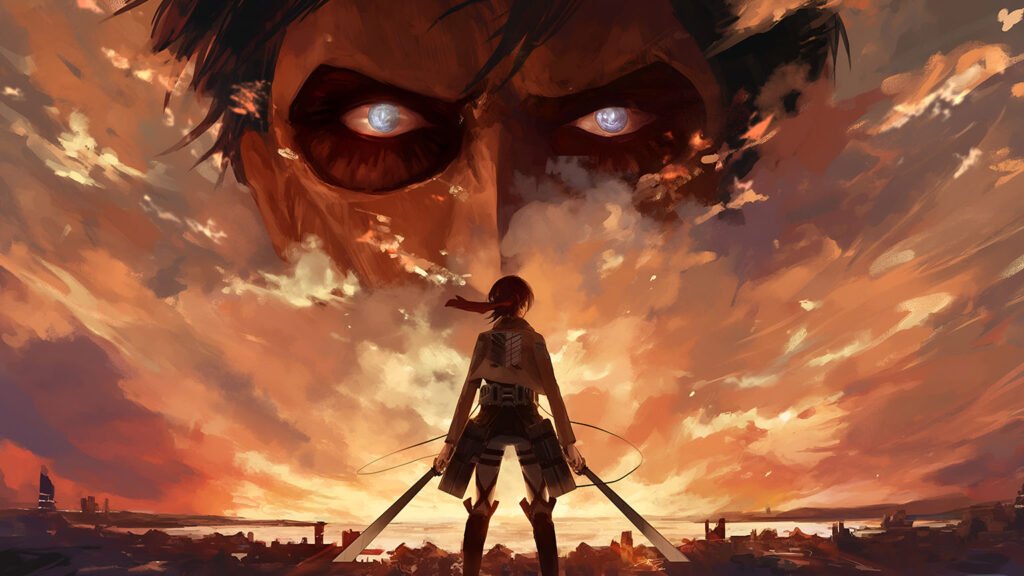
Attack on Titan: The Game of Thrones Crowd
Attack on Titan didn’t arrive in 2013 asking to be liked by anime fans. It arrived demanding the attention of people who watched Game of Thrones, Breaking Bad, and The Walking Dead.
The violence was brutal and permanent. The characters you thought were safe weren’t. The morality was gray from the first episode and only got murkier. This wasn’t shonen anime as people understood it. There were no extended power-up sequences, no comedic relief breaking the tension, no villains giving speeches about their motivation before the final punch. Attack on Titan played by the rules of prestige television, and that’s exactly who it pulled in.
Its availability on Netflix was the key. For the first time, people who weren’t plugged into anime communities could stumble onto a show through an algorithm recommendation and get hooked within one episode. AOT brought back fans who had drifted away after the DBZ and Naruto era, and it pulled in a massive wave of new viewers who had never associated animation with mature, complex storytelling.
The ripple effect changed the entire genre. Before AOT, mainstream shonen was optimistic heroes and the power of friendship. After AOT, dark shonen became the standard. Jujutsu Kaisen, Chainsaw Man, Hell’s Paradise, every major shonen that followed carried DNA from what Attack on Titan proved audiences wanted.
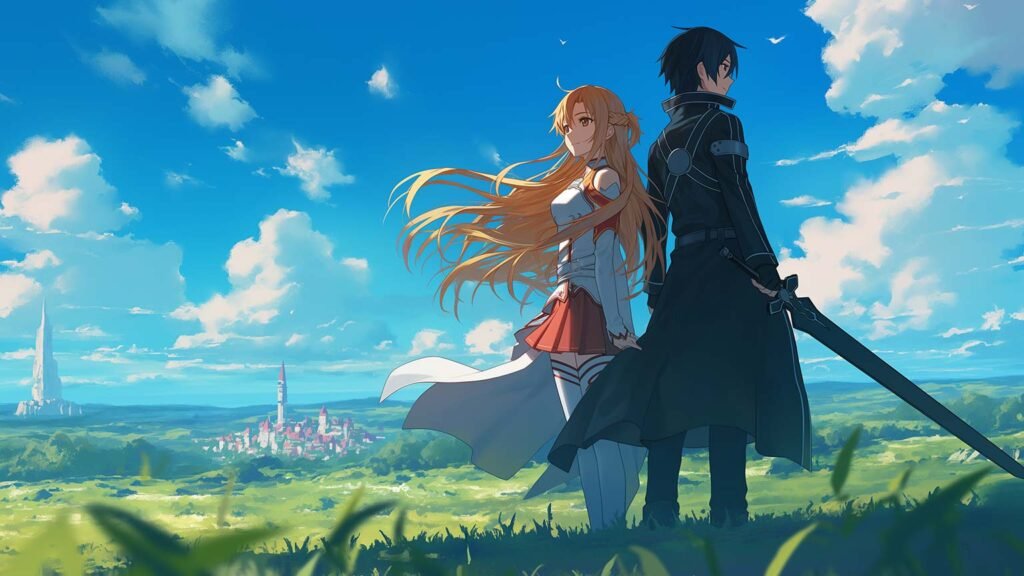
Sword Art Online: The Gamers
This is the most divisive pick on any list it appears on. Fans either defend SAO or tear it apart, and both sides have valid points. But the argument over quality misses what SAO actually did to the anime landscape.
Before SAO debuted in 2012, isekai (stories where characters get transported to another world, usually a game world) existed but was niche. After SAO became a global hit, the genre exploded. Re:Zero, Konosuba, Overlord, Shield Hero, That Time I Got Reincarnated as a Slime, every single one exists in the lane SAO opened. Isekai has dominated anime for over a decade and it traces directly back to this show.
But the audience SAO reached matters as much as the genre it launched. SAO pulled in gamers. People who played MMOs, RPGs, and online games but had never watched anime. The premise (players trapped inside a virtual reality game where dying in the game means dying in real life) spoke directly to gaming culture in a way no anime before it had. It bridged two massive entertainment communities and created overlap that didn’t previously exist.
Whether the show holds up is a different conversation. What it did to the audience and to the anime production pipeline is undeniable.
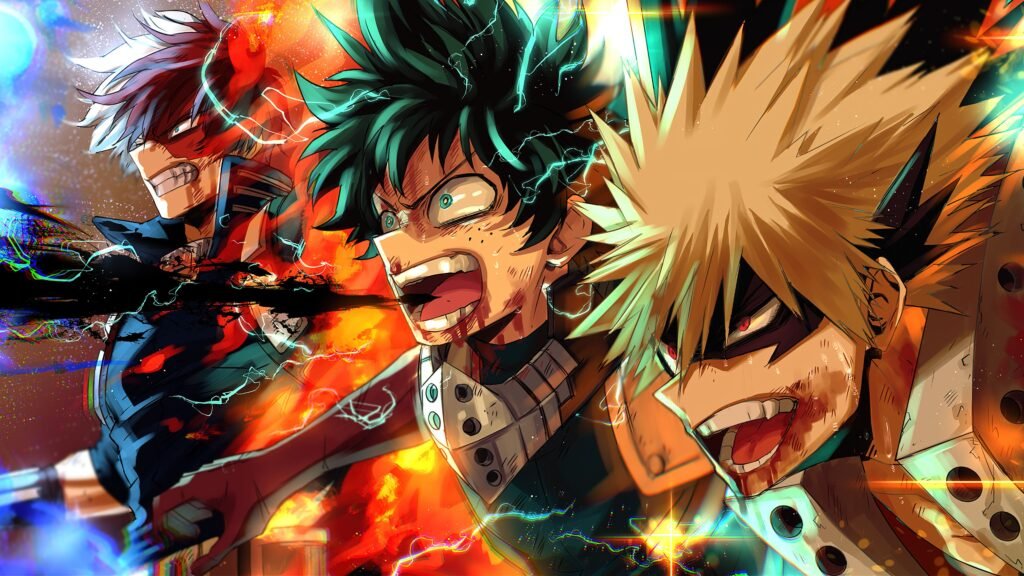
My Hero Academia: The Superhero Fans
My Hero Academia solved a problem nobody realized anime had: it gave Western superhero fans a way in.
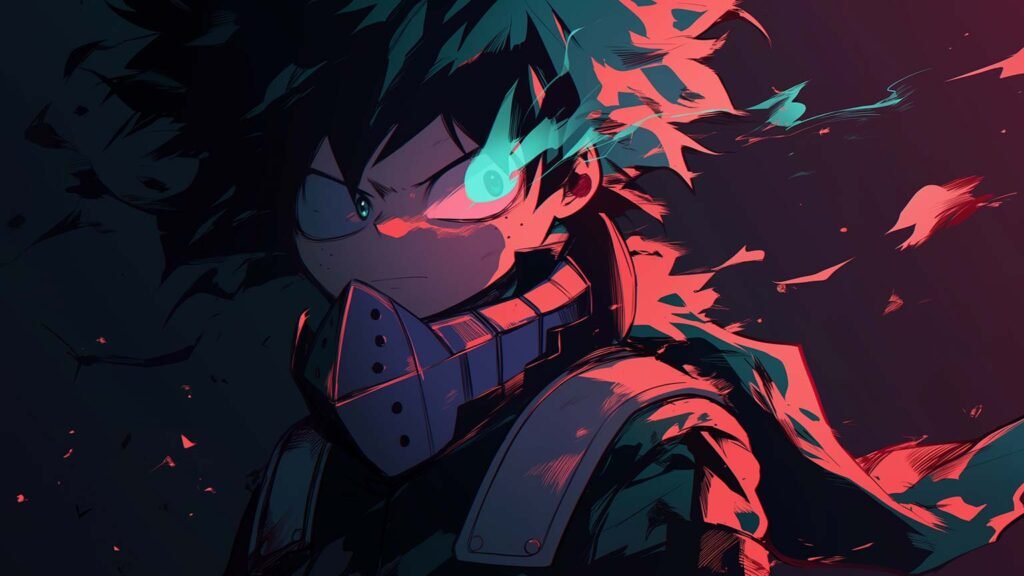
The show debuted in 2016 with a premise that basically merged the X-Men’s “school for gifted youngsters” concept with shonen anime’s training arc structure. Izuku Midoriya, a kid born without powers in a world where almost everyone has them, inherits abilities from the world’s greatest hero and enrolls in a hero academy. Western comic fans who had never watched anime saw the parallels to Marvel and DC and gave it a shot. Many of them stayed.
MHA pulled in the superhero audience at the exact moment superhero culture was at its peak in the West. The MCU was dominating global box office. DC was in the conversation. Superhero discourse was everywhere. My Hero Academia slid into that conversation and offered something the live-action films couldn’t: a long-form, character-driven hero story that could develop over hundreds of episodes instead of two hours. For fans who wanted more depth than a movie could provide, MHA delivered.
The series ran for nearly a decade and proved that anime and Western superhero culture weren’t just compatible. They could feed each other.
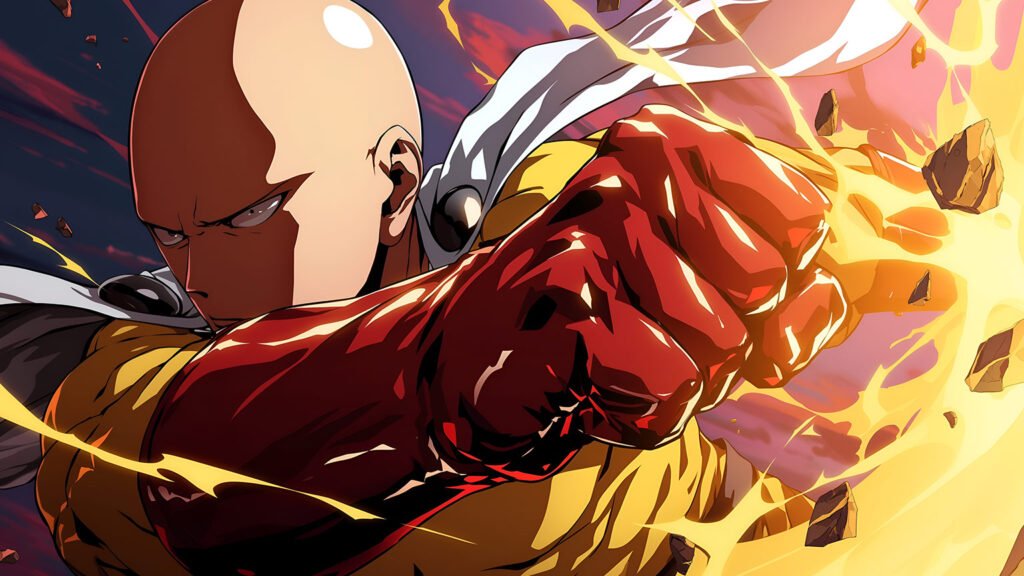
One Punch Man: The Meme Generation
One Punch Man was built for the internet. And the internet responded accordingly.
The premise is a parody of everything anime fans had been watching for decades. Saitama is a hero so powerful he defeats every enemy with a single punch. He’s bored. Nothing challenges him. He became a hero for fun and now he’s too strong to enjoy it. That setup, a direct send-up of the power fantasy that drives all shonen anime, connected with viewers who were getting tired of the same escalation formula.
Season 1 dropped in 2015 with animation from Madhouse that still holds up as some of the best ever produced for TV anime. But the real explosion happened online. Memes, reaction clips, “OK” face edits, Saitama vs. everybody threads, all of it spread across platforms and pulled in people who weren’t part of anime communities at all. One Punch Man reached the casual internet user, the meme scroller, the person who saw a clip on Twitter and thought “wait, what is this?”
That audience, the viral crowd, had never been targeted by anime before. OPM proved that anime could go viral the same way any other entertainment does, and it opened the door for the social media-driven anime culture that defines the 2020s.
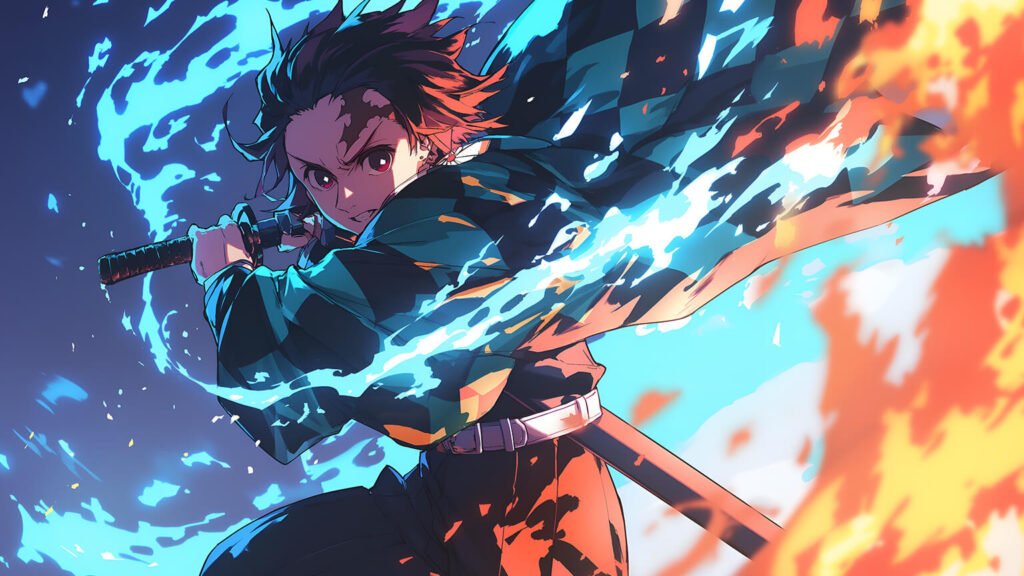
Demon Slayer: The Families
Demon Slayer arrived in 2019 and did something no shonen anime before it had pulled off at this scale: it became a four-quadrant hit. Kids, teens, adults, and parents all watched it. Together.
The story of Tanjiro Kamado, a kind-hearted boy whose family is slaughtered by demons and whose sister is turned into one, is straightforward and emotionally accessible. Unlike AOT’s moral complexity or Death Note’s psychological games, Demon Slayer’s core is simple: a good kid trying to save his sister. That simplicity, combined with Ufotable’s stunning animation, made it approachable for people of all ages.
When Mugen Train dropped in 2020, it grossed over $500 million worldwide and became the highest-grossing film of the entire year globally. Not the highest-grossing anime film. The highest-grossing film period. The audience for that wasn’t just anime fans. It was families. It was casual moviegoers. It was people who had never bought a ticket to see an anime in a theater and did it anyway because the cultural wave was that big.
Demon Slayer brought anime’s family audience. The parents who watched with their kids. The couples who went to the theater together. The people who would have never streamed an anime on their own but went because everyone was talking about it. That audience expansion is what separates Demon Slayer from everything else on this list.
Honorable Mentions
Hunter x Hunter (2011). Considered by many fans to be the greatest shonen anime ever made. The Chimera Ant arc is frequently called the best arc in the genre’s history. Its audience is devoted, but it didn’t break into the mainstream the way the main five did.
Mob Psycho 100 (2016). Same creator as One Punch Man, arguably better character development and emotional depth. Underrated by mainstream audiences but beloved by the fans who found it.
Vinland Saga (2019). A Viking epic that blends brutal action with deep character study. Won Best Drama at the 2020 Crunchyroll Awards. Flew under the radar for casual fans but earned serious critical respect.
Puella Magi Madoka Magica (2011). Deconstructed the magical girl genre the same way Evangelion deconstructed mecha. Dark, unexpected, and influential.
The Before and After
At the start of the 2010s, anime was popular with a dedicated community but still carried the stigma of being niche entertainment. By the end of the decade, anime films were outgrossing Hollywood blockbusters, anime songs were on mainstream playlists, and wearing an anime t-shirt in public stopped being something people thought twice about.
The prestige TV audience. The gamers. The superhero fans. The meme generation. The families. Each show on this list reached one of those groups. Together, they turned anime from a community into a mainstream force.
Which show brought you back to anime, or brought you in for the first time? Tell us in the comments.
READ NEXT